Phoenix Mold Removal & Remediation
Found mold — or smelling something musty — in your Phoenix home? Get a fast, free, no-obligation quote. We know Phoenix housing, from 1950s Arcadia slab homes to new Ahwatukee stucco, and where mold really hides. Fast response across the Valley.
- Free, no-obligation quotes for Phoenix homeowners
- We understand desert mold — yes, it’s real
- Black mold, water damage, attic & crawl space
- Fast response — mold spreads quickly in the heat
- Free, no-obligation quotes Know the cost before you commit
- Local Phoenix-metro pros People who know desert mold
- Fast response Mold spreads — we move quickly
- Honest pricing, no scare tactics Only fix what needs fixing
Mold in Phoenix? Here's the straight talk.
Yes — Phoenix homes get mold, even in a dry climate. Mold needs a moisture source, not humid air, and Phoenix has plenty: slab leaks under older Central and East Valley homes, monsoon water on flat roofs, AC condensate overflow, and swamp coolers. Because the air is so dry, mold usually hides in walls, attics, and under floors until it starts to smell.
Phoenix has some of the most varied housing stock in the Valley, and where mold shows up depends a lot on when and how your home was built. The mid-century ranch homes in Arcadia, Encanto, and the Coronado and Willo historic districts were built on slabs with copper or galvanized plumbing that's now 60–70 years old. A single pinhole slab leak can wick moisture up into hardwood floors and baseboards for months — long before you see a stain.
On the other end, the newer two-story stucco homes in Ahwatukee, Desert Ridge, Laveen, and Estrella run their air conditioning close to half the year. When a condensate line clogs with dust or the attic air handler's drain pan rusts through, the overflow soaks the ceiling in the room below — one of the most common hidden mold sources we see in newer Phoenix homes.
Black mold in Phoenix homes
The black mold Phoenix homeowners find is usually Stachybotrys chartarum on drywall or subfloor, or one of the darker Cladosporium species — both need a persistent water source, not desert air. Where we see it depends on the home: in mid-century Arcadia and Coronado slab homes, black mold most often shows up on baseboards and framing behind a slow slab leak; in newer Ahwatukee and Desert Ridge stucco, on ceiling drywall below an attic AC air handler that's been overflowing; in Maryvale and Sunnyslope, in swamp-cooler ducts and around ceiling registers. Removal is the same in every case: contain, remove the affected material, fix the water source, verify it's dry.
The monsoon factor most people miss
From June through September, Phoenix's flat and low-slope roofs — common on ranch and mid-century homes — pond water during heavy downpours. A hairline crack in the roof membrane lets water into the attic and ceiling insulation, where it stays warm and dark. By the time a brown stain appears on the ceiling, mold has usually had a head start. If your home flooded or took on roof water during a storm, it's worth a look even if everything looks dry now.
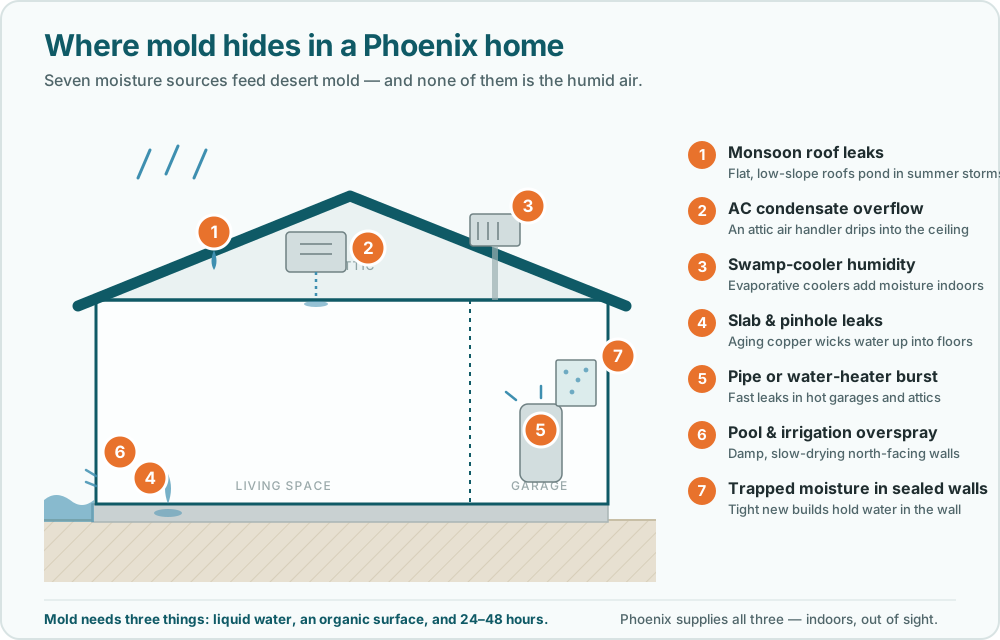
Why Phoenix homes get mold
The moisture sources we see most often in Phoenix — beyond the “it’s a dry climate” myth.
Slab leaks in older Central & East Phoenix homes
Mid-century homes in Arcadia, Encanto, and Coronado often still have original copper or galvanized lines under the slab. A pinhole leak wicks moisture up into hardwood floors and baseboards for months before anyone notices.
Flat & low-slope roofs in monsoon season
Phoenix's ranch and mid-century homes use flat or low-slope roofs that pond water during summer downpours. Tiny membrane cracks let water into the ceiling and attic, feeding mold in the insulation.
AC condensate in newer stucco homes
Two-story homes in Ahwatukee, Desert Ridge, and Laveen run AC for months. Condensate lines clog with dust and algae, and the overflow soaks the ceiling below an attic air handler.
Evaporative coolers in older neighborhoods
Many older homes in Maryvale, Sunnyslope, and South Phoenix still run swamp coolers that pump humidity inside. Under-maintained units grow mold in ducts and around ceiling vents.
Pool & irrigation moisture
With pools in so many Phoenix backyards, constant splash-out and sprinkler overspray against north-facing block and stucco walls creates damp pockets that never fully dry.
Monsoon flash flooding
Low-lying areas near the Salt River and parts of Laveen and South Phoenix can see flash flooding. Standing water under or in a home seeds mold within a day or two in summer heat.
Mold removal services in Phoenix
Mold removal, remediation, inspection and water-damage restoration for Phoenix homeowners — one team, honest quotes.
Mold Removal
Safe removal of visible mold — with the moisture source fixed so it stays gone.
Learn more →Mold Remediation
Containment, HEPA filtration & full removal after leaks, floods, or long-term moisture.
Learn more →Mold Inspection & Testing
Moisture mapping, visual inspection, and lab testing when you need proof.
Learn more →Water Damage Restoration
Emergency extraction & drying — the fastest way to stop mold before it starts.
Learn more →What a proper Phoenix mold job includes
No guesswork, no upsell — here's what real mold removal in Phoenix actually covers, start to finish.
- Find the moisture first. Moisture meters and a visual check trace the water source — an AC condensate line, slab leak, or roof intrusion — before any cleanup starts.
- Contain the area. Plastic sheeting and negative air pressure keep spores from spreading through the rest of your Phoenix home during the work.
- Remove only what's affected. Mold-damaged drywall, carpet, and insulation come out; hard surfaces are HEPA-vacuumed and cleaned — nothing torn out that doesn't need to be.
- Fix the source. The leak or condensation problem gets repaired, because mold that isn't dried out comes right back.
- Verify it's done. On larger jobs, clearance testing confirms the home is back to a normal baseline before any rebuild.
- A clear, written quote. You get an honest price range up front — most Phoenix jobs run $500–$4,000 — with no obligation to book.
How it works
No call centers. Three steps to a straight answer about mold in your Phoenix home.
- 1
Tell us what’s happening
Fill out the quick form with your ZIP code and what you’re seeing or smelling. Takes about a minute.
- 2
We get you a fast, free quote
We review your details and your area and get back to you with a clear, no-obligation quote — no national call center, no runaround.
- 3
You decide, no pressure
Look it over, ask questions, and move forward only if it’s right for you. Honest pricing, no scare tactics.
Serving every Phoenix neighborhood
From Arcadia and the Biltmore to Ahwatukee, Desert Ridge, Laveen, Maryvale and Sunnyslope — we handle mold removal across the city of Phoenix and know the territory.
- Arcadia
- Ahwatukee
- Biltmore
- Central Phoenix / Encanto
- Downtown & Roosevelt
- Camelback East
- Desert Ridge
- Deer Valley
- Maryvale
- Laveen
- Sunnyslope
- North Mountain
- South Phoenix
- Estrella
ZIP codes we cover: 85003 · 85004 · 85006 · 85008 · 85013 · 85014 · 85016 · 85018 · 85020 · 85022 · 85024 · 85028 · 85032 · 85040 · 85041 · 85044 · 85048 · 85051 · 85083 · 85086
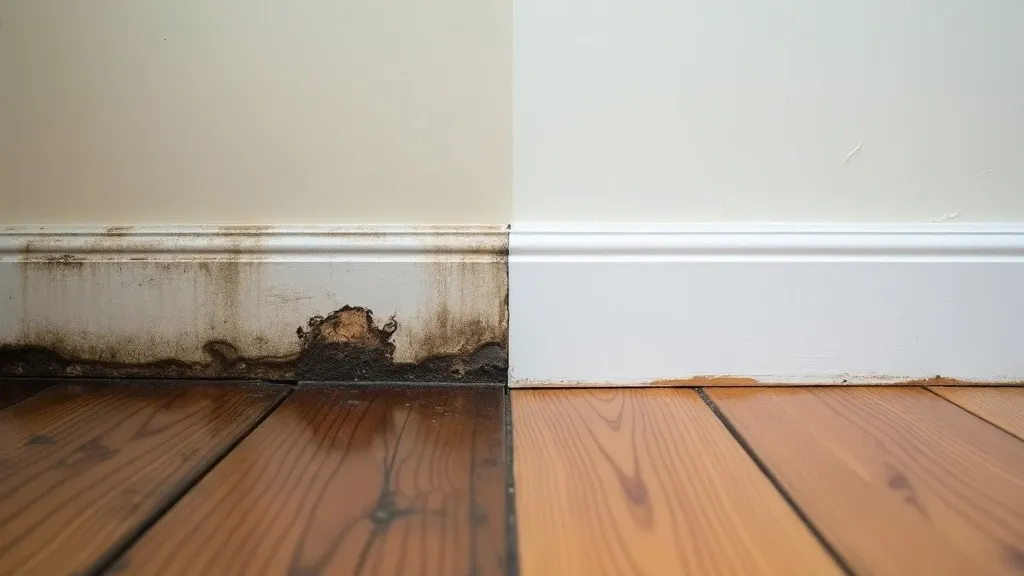
What does mold removal cost in Phoenix?
Most Phoenix mold jobs run $500–$4,000, depending on how much mold there is and what’s behind it. A small bathroom or closet can be a few hundred dollars; whole-room remediation after a leak or flood runs higher.
Phoenix mold questions, answered
What mold removal services do you offer in Phoenix?
Full-service mold work for Phoenix homes: mold inspection with moisture mapping and thermal imaging, containment and HEPA-filtered remediation, physical removal of mold-damaged drywall, baseboards, insulation, and subfloor, moisture-source repair (slab leaks, AC condensate lines, monsoon roof intrusion, swamp-cooler ductwork), and post-work verification on larger jobs. We handle black mold, attic mold, HVAC mold, and mold following water damage across every Phoenix ZIP from Arcadia to Ahwatukee.
Do you handle black mold removal near me in Phoenix?
Yes. Black mold removal in Phoenix is one of our most common jobs — usually Stachybotrys or a darker Cladosporium species growing on drywall, baseboards, or framing behind a slow slab leak in older Central Phoenix, a clogged attic AC condensate line in newer Ahwatukee or Desert Ridge, or a monsoon roof breach that soaked the attic. The process is the same regardless of color: contain, physically remove affected material, fix the moisture source, dry and verify. Get a free, no-obligation quote for your address.
Is there a mold removal company that serves my Phoenix neighborhood?
Yes — we're a Phoenix mold removal company covering Arcadia, Biltmore, Ahwatukee, Central Phoenix / Encanto, Desert Ridge, Deer Valley, Camelback East, Maryvale, Laveen, Sunnyslope, South Phoenix, and Estrella. Phoenix ZIPs 85003 through 85086. If you're inside the city of Phoenix, we quote for your home.
How fast can you respond for mold removal near me in Phoenix?
Fast quote turnaround — most Phoenix homeowners get a call back the same day they request one, and an inspection scheduled within 1–3 business days depending on urgency. If you've had a fresh water event (slab leak, pipe burst, monsoon roof leak, flood), tell us on the form and we'll prioritize the callback — the first 24–48 hours in summer heat decide whether it's a small dry-out or a full remediation.
Where does mold usually hide in Phoenix homes?
In Phoenix, mold rarely grows out in the open the way it does in humid climates. It hides where moisture collects: under flooring above a slab leak, in attic insulation under a roof leak, inside the wall or ceiling near an AC air handler, and around swamp-cooler ducts. A musty smell with no visible mold is a classic sign it's hidden.
Is mold worse in older Phoenix neighborhoods like Arcadia or Coronado?
Older neighborhoods aren't inherently moldier, but their aging slab plumbing makes hidden leaks more likely — and a slow slab leak is one of the most common mold sources in Central and East Phoenix. Newer stucco homes have their own risk from AC condensate. The age of the home just changes where to look first.
Does monsoon season cause mold in Phoenix?
It can. Heavy monsoon downpours pond on flat roofs and drive water into attics and walls. If your Phoenix home took on roof water or flooded during a storm, mold can start within 24–48 hours in summer heat — so it's worth checking even if things look dry now.
How much does mold removal cost in Phoenix?
Most Phoenix mold jobs run $500–$4,000. A small bathroom or closet area can be a few hundred dollars, while whole-room remediation after a slab leak or flood costs more. A free quote gives you an exact number for your home and situation.
Do I need mold testing before buying a Phoenix home?
If the inspection finds a musty smell, past water damage, or visible mold, testing is worth it — especially on older slab homes where leaks hide. For a clean home with no warning signs, a thorough visual and moisture inspection is usually enough. We can get you a free inspection quote either way.
Worried about mold in your Phoenix home?
Get a fast, free, no-obligation quote for your Phoenix home. No pressure, just a straight answer.