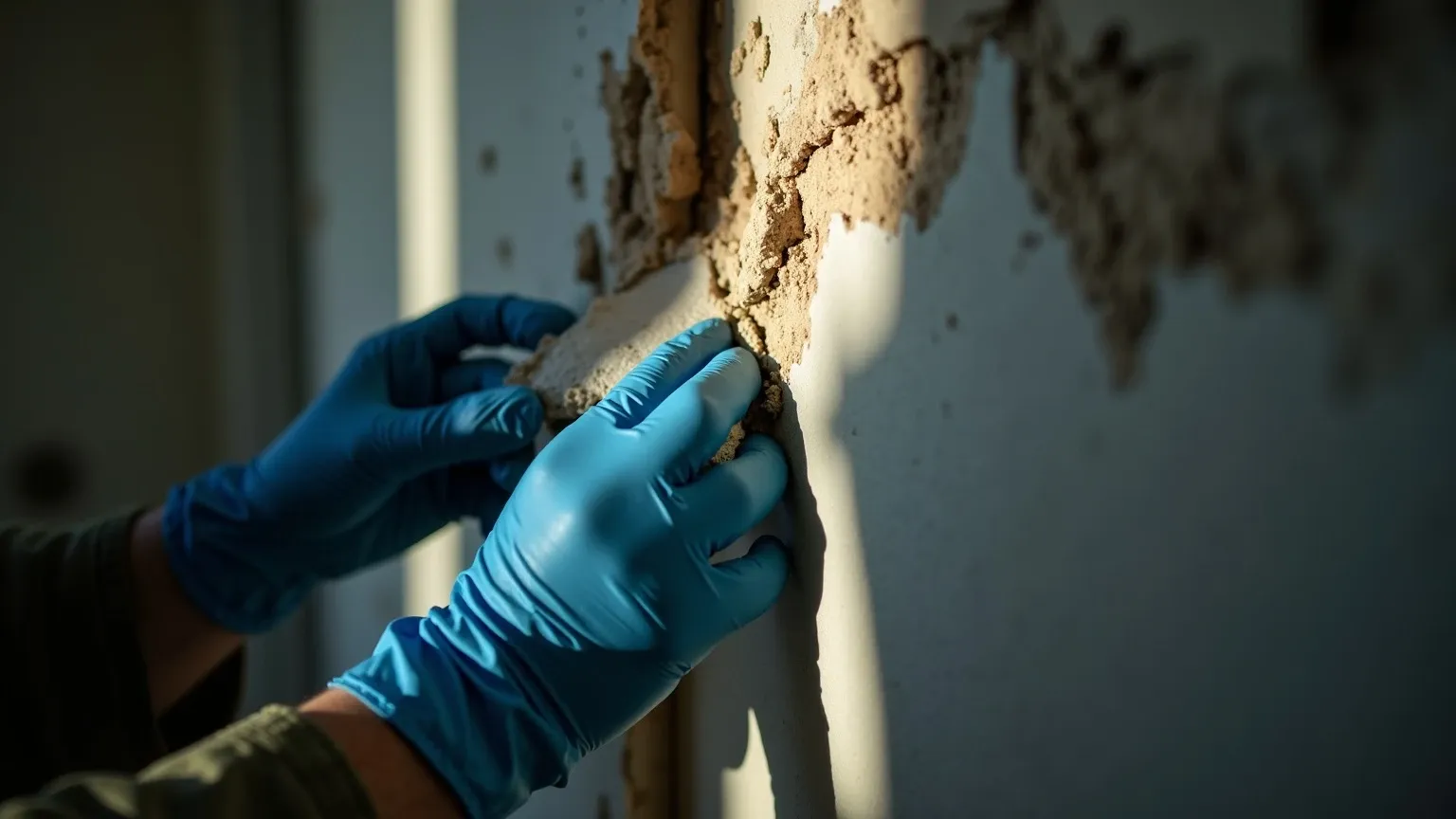
Phoenix Mold Removal Services
Professional mold removal across the Phoenix metro — contained, HEPA-filtered, and finished by fixing the moisture source so it doesn't come back. Free, no-obligation quote, fast response Valley-wide.
- IICRC-standard containment & HEPA-filtered removal
- Black mold, attic mold, ceiling mold & bathroom mold
- Moisture source fixed — not just the visible mold
- Free quote — know the cost before you commit
- Free, no-obligation quotes Know the cost before you commit
- Local Phoenix-metro pros People who know desert mold
- Fast response Mold spreads — we move quickly
- Honest pricing, no scare tactics Only fix what needs fixing
Professional mold removal in Phoenix, done to the IICRC S520 standard
Professional mold removal in Phoenix means finding and stopping the moisture source, containing the affected area so airborne spores don't spread through your home, physically removing the mold and any porous material it has grown into, HEPA-vacuuming and treating the remaining surfaces, drying the structure back to a normal baseline, and repairing the leak or condensation that caused the growth in the first place. The reference framework is the IICRC S520 Standard for Professional Mold Remediation — the same industry standard reputable Phoenix mold removal companies work to. The goal is not a clean wall today. It is a wall that stays clean.
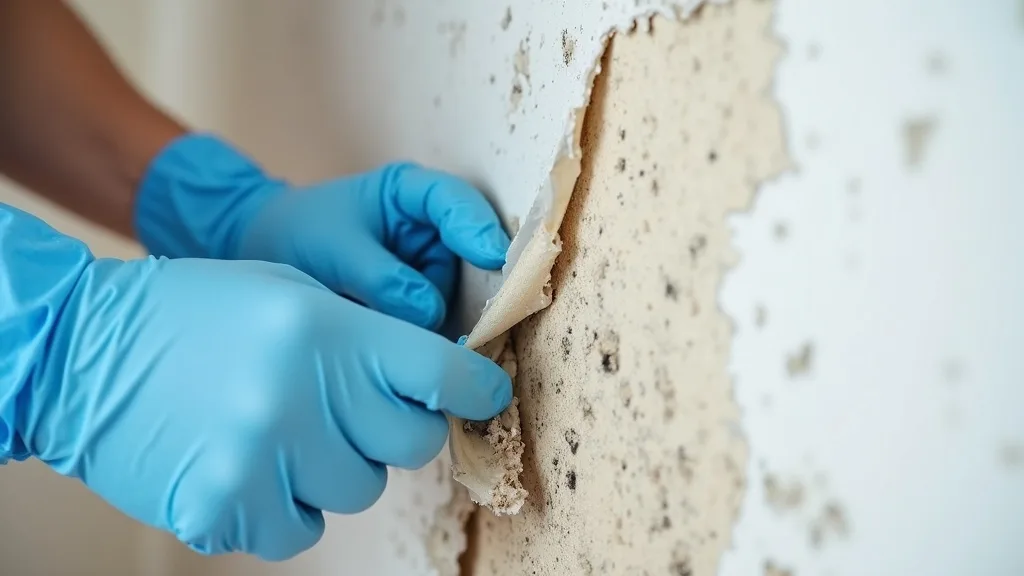
The distinction between a real fix and a cover-up sits in that last step. Mold is a moisture problem first. Painting over it, wiping it down with bleach, or fogging the room with an "encapsulant" without fixing the leak behind the drywall buys a few weeks before the same mold returns in the same spot. A proper mold removal treats the cause — the AC condensate line clog, the slab leak, the monsoon roof breach, the swamp-cooler duct — and the visible mold is what disappears when the water stops.
Mold removal vs. mold remediation — which service do you need?
Mold removal is the term most Phoenix homeowners search when they want a visible mold problem cleaned up. It generally refers to smaller, contained jobs — a moldy shower surround, a stained bathroom ceiling, a section of drywall behind a bathroom vanity, a corner of an attic where insulation got wet. Mold remediation is the more structured, larger-scope process used when mold is widespread, hidden inside wall cavities, or followed a significant water event: full containment, HEPA air filtration running throughout, removal of porous materials, structural drying, and clearance testing to verify the home is back to a healthy baseline. Many homeowners use "mold removal" and "mold remediation" interchangeably, and there is no bright line between them — the important thing is that the scope of the work matches the scope of the problem. When the extent is unclear, a professional mold inspection maps the moisture and the growth before any work begins.
The step-by-step mold removal process
- Inspect and locate the moisture source. Moisture meters and, for hidden mold, thermal imaging cameras find where the water is coming from — not just where the mold shows. Common Phoenix moisture sources: attic AC condensate line clog, monsoon roof intrusion, slab-leak wicking under baseboards, and evaporative-cooler duct leaks.
- Contain the area. Plastic sheeting seals the room or work zone. A HEPA-filtered air scrubber creates negative air pressure so mold spores can't drift into clean parts of the home during removal. For larger jobs, a decontamination chamber lets workers move in and out without breaking containment.
- Remove the mold and affected porous material. Mold-damaged drywall, insulation, carpet padding, and ceiling tile are cut out and bagged for disposal. Framing lumber with surface mold is HEPA-vacuumed, wire-brushed if needed, and cleaned with an antimicrobial. Hard surfaces (tile, sealed wood, sheet metal, sealed concrete) are HEPA-vacuumed and wiped down.
- Treat the remaining surfaces. After physical removal, surfaces are HEPA-vacuumed a second time and, where appropriate, treated with an EPA-registered antimicrobial to handle residual settled spores. Dead mold spores still cause allergic reactions in sensitive people — the EPA is explicit on this — which is why physical removal always comes before any spray-on treatment.
- Fix the moisture source. The clogged condensate line is cleared and re-routed if needed. The slab leak is repaired. The roof breach is patched. The evaporative-cooler duct is sealed or replaced. Without this step, the mold comes back.
- Dry the structure. Commercial air movers and dehumidifiers run continuously until moisture meters read the framing, subfloor, and remaining materials back to a normal, dry baseline. In a Phoenix summer this happens quickly; in an evaporatively-cooled home with high indoor humidity it takes longer.
- Verify and rebuild. For larger jobs, a third-party clearance test (air samples analyzed by an AIHA-EMLAP-accredited lab) confirms the affected zone is back to a healthy baseline before drywall goes back up. Small contained removal jobs skip formal clearance testing and go straight to repair.
Common mold removal jobs in Phoenix homes
Because of how Phoenix homes get mold, a few specific removal jobs come up over and over across the Valley:
- Bathroom and shower mold removal — poor ventilation plus daily moisture. The most common DIY-able mold job for jobs under 10 square feet on hard surfaces, and one of the most common professional removal calls when it spreads to drywall behind the tile.
- Ceiling mold under an attic AC air handler — a clogged condensate line drips into the ceiling below over weeks or months. Removal here is a section of ceiling drywall out, the drain-pan or line repaired, HEPA cleanup, and a rebuild.
- Attic mold removal after a monsoon roof leak — flat and low-slope Phoenix ranch roofs that ponded water during a summer storm let it into the attic. Attic mold removal handles the roof-deck sheathing, wet insulation batts, and adjacent framing.
- Baseboards and flooring after a slab leak — most common in older Arcadia, Coronado, Encanto, and central-Phoenix slab homes with 60+ year old under-slab plumbing. A pinhole slab leak wicks moisture up into baseboards and subfloor for months before any visible mold, so the removal often crosses several rooms.
- Drywall mold removal after a burst supply line — a garage water heater, a kitchen supply line, or a washing machine hose that failed. If caught within 24–48 hours, water-damage restoration prevents mold entirely; if not, drywall removal is the job.
- Swamp-cooler-related mold removal — evaporative coolers add real humidity to indoor air. Under-maintained units grow mold inside the ductwork and around ceiling registers, and removal includes cleaning or replacing affected ductwork.
- Black mold removal in older homes — the dark stain on drywall behind a chronic slow leak. Often Stachybotrys chartarum. Removal is the same process as any other mold; the color does not change the scope.
For a deeper explanation of why a dry climate still produces all of this — and why the "mold can't grow in the desert" myth is wrong — see our detailed mold in the desert analysis.
Equipment and materials used in professional mold removal
A proper mold removal job in Phoenix uses more equipment than most homeowners expect. HEPA-filtered air scrubbers (typically 500–2,000 CFM units) create negative air pressure inside the containment and filter airborne spores continuously during the work. HEPA-filtered vacuums clean settled spores from hard surfaces and framing. Commercial dehumidifiers (LGR or desiccant, depending on structure moisture load) and centrifugal air movers dry the structure after material removal. Moisture meters (pin and pinless) and thermal imaging cameras find hidden wet zones. Nitrile gloves, N95 or P100 respirators, and Tyvek suits protect the crew. EPA-registered antimicrobials are used on non-porous surfaces after physical removal. Where clearance testing is warranted, air samples go to an AIHA-EMLAP-accredited environmental lab.
Should you attempt DIY mold removal?
The EPA's general guidance is that a homeowner can usually handle a mold area smaller than about 10 square feet — roughly a 3-by-3-foot patch — on hard, non-porous surfaces, with proper PPE (gloves, goggles, N95 or better), and provided the moisture source has been identified and fixed. Beyond that threshold, or anywhere involving your HVAC system, hidden mold inside walls, mold after a sewage backup, or mold in a home with a resident who has asthma, allergies, or a compromised immune system, a professional removal is appropriate. Whatever the size, the rule is the same: fix the moisture source or the mold comes back. If you see dark-colored mold and want to understand what that does and doesn't tell you before deciding, our guide on black mold covers the science. For a comprehensive DIY-to-professional walkthrough, our complete Phoenix mold removal guide covers every step.
Insurance and mold removal in Phoenix
Homeowners insurance in Arizona sometimes covers mold removal, but coverage depends on the cause. Mold that follows a "sudden and accidental" covered event — a burst pipe, an appliance failure, a wind-driven roof leak — is often covered, though many Arizona policies cap mold coverage at $5,000 or $10,000 unless a specific mold rider was purchased. Mold from long-term or "gradual" leaks (a slow slab leak that ran for months, a chronic AC condensate drip, deferred roof maintenance) is commonly excluded. Coverage varies policy to policy, so document everything at first sight (photos, dates, the water source), notify your insurer early, and keep receipts. A licensed remediation contractor can document the cause professionally, which is what an adjuster needs. For a deeper look at what Arizona homeowners policies actually cover, see our Arizona mold insurance guide.
Ready to get a fast, free, no-obligation quote for mold removal in your Phoenix home? Use the form above. Want a cost estimate first? See our Phoenix mold removal cost breakdown. If the mold appears larger than a 10-square-foot patch or has spread inside walls or the attic, the job likely calls for full mold remediation instead.
Frequently asked questions
How long does mold removal take in a Phoenix home?
Most residential mold removal jobs take one to three days. A small bathroom, closet, or bath-fan-vent area can be a few hours; larger jobs that involve removing drywall, running HEPA air scrubbers, drying the structure, and repairing the moisture source take longer. Timeline depends on how much material has to come out and how quickly the water source dries — in a Phoenix summer, drying happens fast.
What is the cost of mold removal in Phoenix?
Most Phoenix mold removal jobs run $500 to $4,000 depending on the size of the area, the material involved (drywall vs. framing vs. subfloor), and what caused it. A small surface job on hard-surface tile or shower grout can be a few hundred dollars. Whole-room removal after a slab leak or monsoon flood costs more. For a detailed breakdown by job type and location, see our Phoenix mold removal cost guide.
What is included in professional mold removal services?
A full professional mold removal includes moisture-source identification, containment of the work area with plastic sheeting and negative air pressure, HEPA-filtered air scrubbing, physical removal of mold-affected porous materials (drywall, insulation, carpet), HEPA vacuuming and antimicrobial cleaning of salvageable hard surfaces, repair of the underlying water source, structural drying with commercial equipment, and post-work verification. This is the IICRC S520 standard-of-care process.
Do you handle black mold removal in Phoenix?
Yes. Black mold removal is one of the most common jobs we quote across the Valley. The dark mold most Phoenix homeowners find is usually Stachybotrys chartarum or one of the darker Cladosporium species — both driven by a persistent water source (leaking AC condensate, slab leak, monsoon roof intrusion). The removal process is the same regardless of species: contain the area, physically remove the affected material, fix the water source, verify dry. Color does not determine the process — moisture history does.
Will mold come back after removal?
Only if the moisture source is not fixed. Mold is a moisture problem first and a mold problem second. Every proper removal identifies and stops the water — an AC condensate line clog, a slab leak, a roof breach, or condensation from a swamp cooler — that fed the growth. A removal that skips the moisture repair is a temporary cover-up; the mold returns within weeks. Fixing the water is what makes it a permanent fix.
Do you have to remove drywall for mold removal?
For porous materials with active mold growth, yes. The EPA and IICRC S520 both direct that porous, mold-damaged materials (drywall, insulation, carpet, ceiling tile) be physically removed rather than cleaned in place, because mold hyphae grow into the material and cleaning the surface leaves the roots. Hard, non-porous surfaces — tile, sealed wood, glass, metal, sealed concrete — can usually be HEPA-vacuumed and cleaned rather than removed. A good crew only removes what is actually affected.
Is it safe to stay home during mold removal?
For small, contained jobs — yes, in most cases. For larger removal with active demolition of moldy drywall and containment across a wing of the home, staying out of the work zone is standard, and people with asthma, allergies, or a weakened immune system are usually advised to leave the property during active work. Your removal crew will scope this at the walk-through and tell you what makes sense for your home and household.
Do you offer emergency mold removal?
Yes. Fresh water events (a burst pipe, monsoon roof leak, water heater failure, or slab-leak discovery) get priority scheduling — the 24 to 48 hours after the water starts is what decides whether the job is a dry-out or a full remediation. Tell us on the free-quote form that you have active or recent water and we prioritize the callback.
Worried about mold in your Phoenix home?
Get a fast, free, no-obligation quote. No pressure, no scare tactics — just a straight answer.