Can You Get Mold in the Desert? Why Phoenix Homes Do
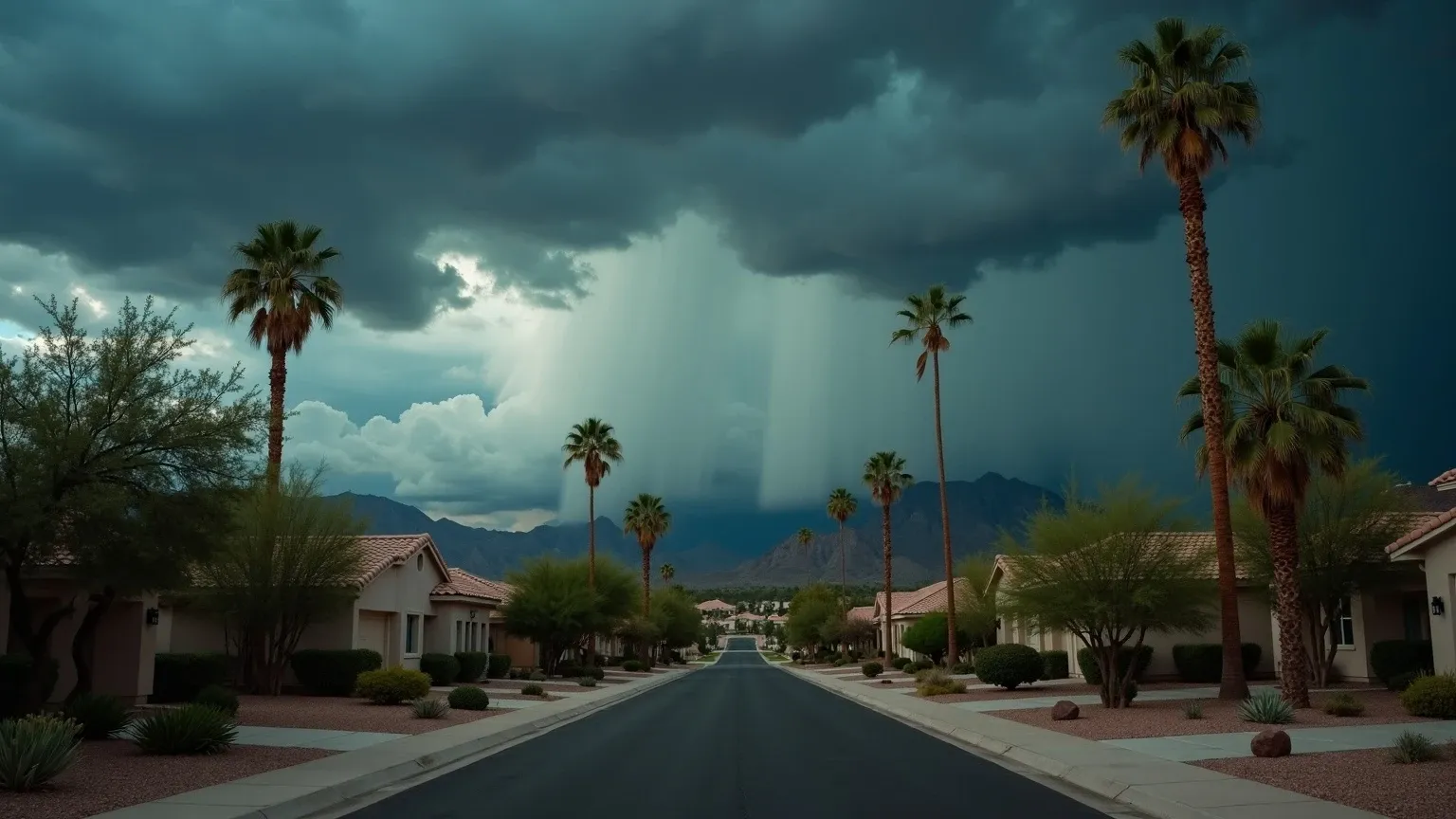
Yes, you can get mold in the desert. Mold doesn’t feed on humid air — it needs a liquid water source and an organic surface to grow on. A dry climate doesn’t protect a home; it often makes mold worse, because no one suspects it, so a hidden leak feeds mold for months before a musty smell gives it away.
Why doesn’t the dry desert air stop mold?
The “you can’t get mold in the desert” idea sounds reasonable. Phoenix is one of the driest big cities in the country, humidity sits in the teens for much of the year, and mold loves moisture. So no moisture, no mold, right?
That skips over how mold actually grows. According to the EPA’s Brief Guide to Mold, Moisture and Your Home, the key to controlling mold is controlling moisture — and the moisture that matters is liquid water on a surface, not the humidity reading on your thermostat. The CDC’s mold guidance puts it plainly: “Mold will grow where there is moisture, such as around leaks in roofs, windows, or pipes, or where there has been a flood.”
Mold spores are floating in the air of every home on Earth, including yours. They only become a problem when three things line up:
- A water source — a leak, condensation, or a flood that keeps a surface wet.
- An organic food source — the paper facing on drywall, wood, ceiling tiles, carpet, dust, or insulation. Modern homes are full of it.
- Time — and not much. The EPA says mold can take hold within 24 to 48 hours of water exposure.
Notice what’s missing from that list: muggy outdoor air. Phoenix’s dry climate keeps the ambient humidity low, but it does nothing about the water leaking from a pinhole in a slab pipe or dripping off a clogged AC line inside a wall. That water creates its own wet little world, and the mold grows there whether the desert outside is at 12% humidity or not.
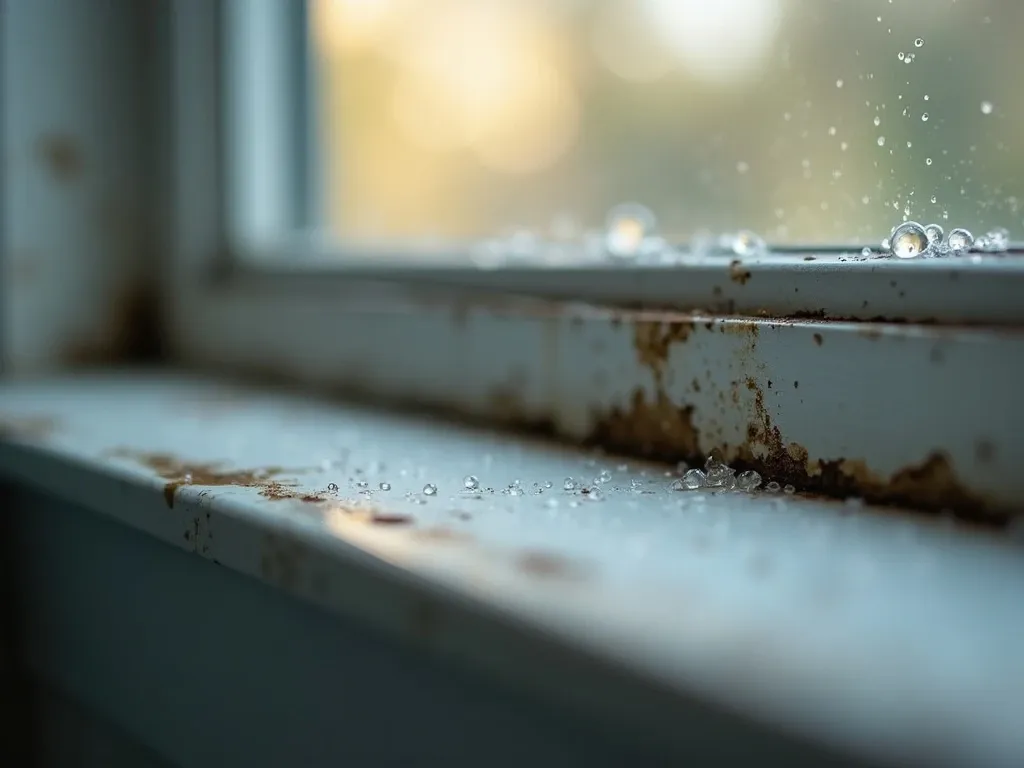
Why is mold actually worse in a dry climate?
Here’s the part that surprises people. A dry climate doesn’t just fail to stop mold — in several ways it makes a mold problem worse than the same leak would be in a humid city.
Nobody suspects it, so the leak runs for months
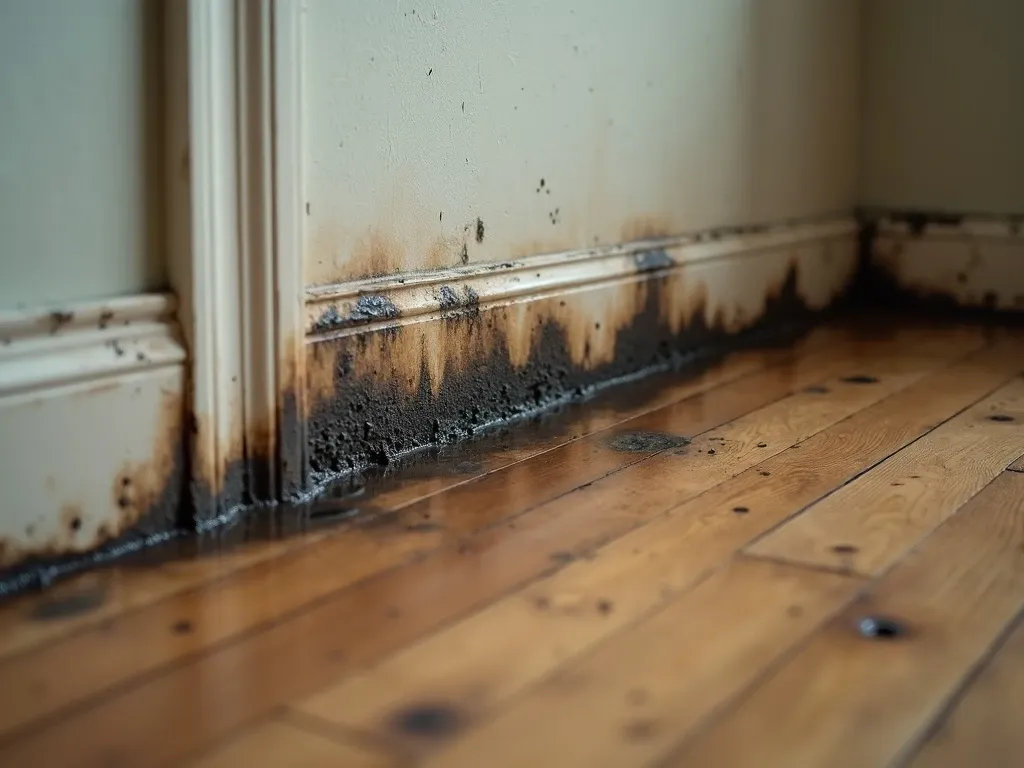
In a humid climate, people expect mold and watch for it. In Phoenix, the assumption that “we don’t get mold here” means a slow leak gets ignored. A pinhole slab leak under an older Arcadia or Coronado home can wick moisture into flooring and baseboards for months while the homeowner, not even thinking about mold, lets the faint smell slide.
The AC runs half the year, and condensate is a constant water source
Phoenix air conditioners run from roughly April into October. Your AC works partly by pulling water out of the indoor air and draining it through a condensate line — a steady stream of water inside your home for months on end. When the line clogs or the drain pan fails, that water ends up in the ceiling or wall below the air handler. A humid-climate home running its AC a few months a year has far fewer chances for that to go wrong.
A musty smell gets written off as “just the desert”
Because mold here almost always grows out of sight, the first sign is usually a musty odor, not a visible patch. And in Phoenix that smell gets blamed on an old swamp cooler, dusty ductwork, or “that’s just how old houses smell.” The one clue the home is giving you gets dismissed.
Add those up and the dry-climate mold problem is hidden, ignored, and well-fed. By the time it’s found, it has often spread further than the same leak would in a humid climate where you’d have seen it on the wall weeks earlier.
Where does the water actually come from in a Phoenix home?
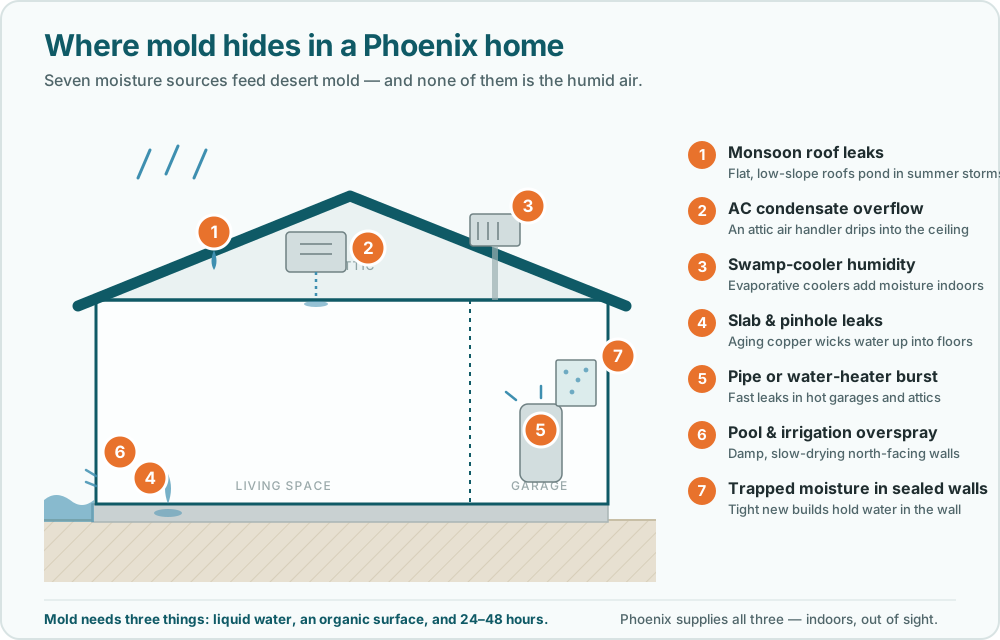
This is the substance that a generic national mold page can’t give you. In Phoenix the question is never “is the air humid” — it’s “where is the liquid water.” Here are the real sources, and they track closely with how and when your home was built.
| Moisture source | Where mold tends to show up | Warning sign to watch for |
|---|---|---|
| AC condensate line clog or drain-pan overflow | Ceiling or wall directly below an attic or closet air handler | Brown ceiling stain or bubbling paint under an upstairs/attic AC unit |
| Slab or pinhole pipe leak (older slab homes) | Under hardwood or tile flooring, behind baseboards | Warped flooring, a warm or damp spot on the floor, baseboard that’s pulling away |
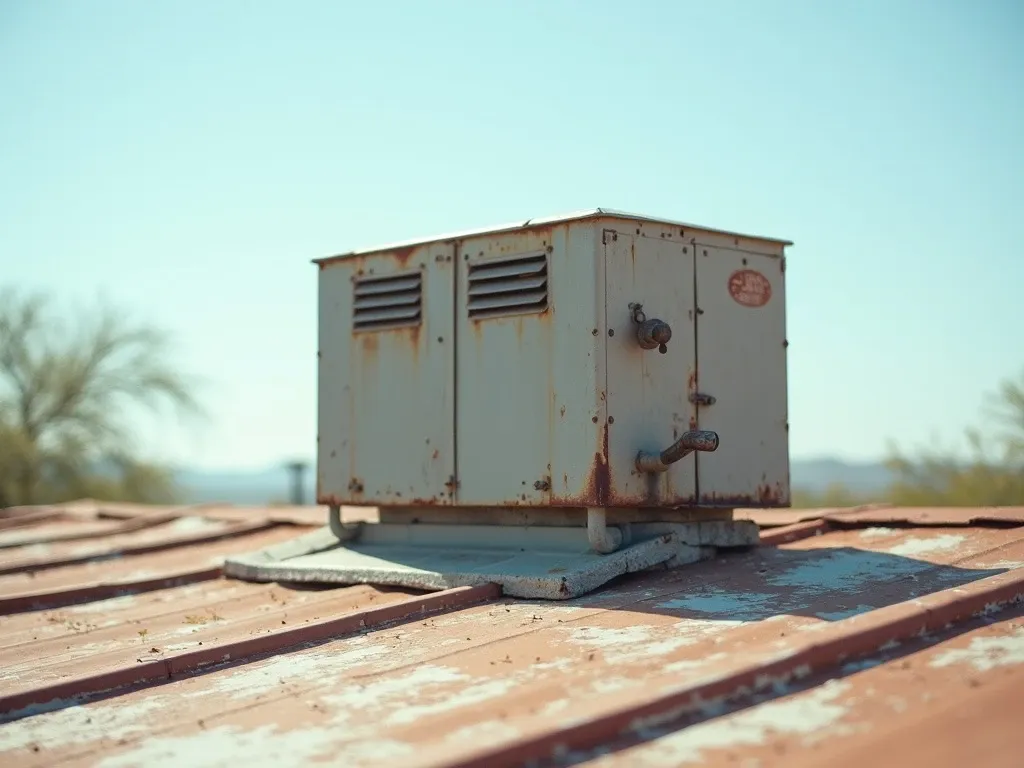
| Monsoon roof leak on a flat/low-slope roof | Attic insulation, top-floor ceilings | Ceiling stain after a summer storm, sagging drywall, musty attic |
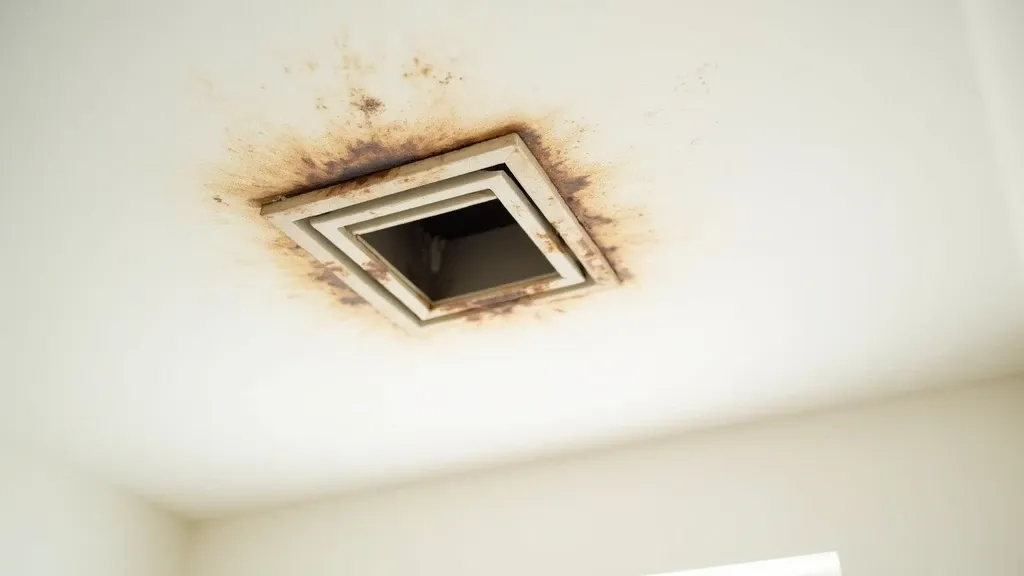
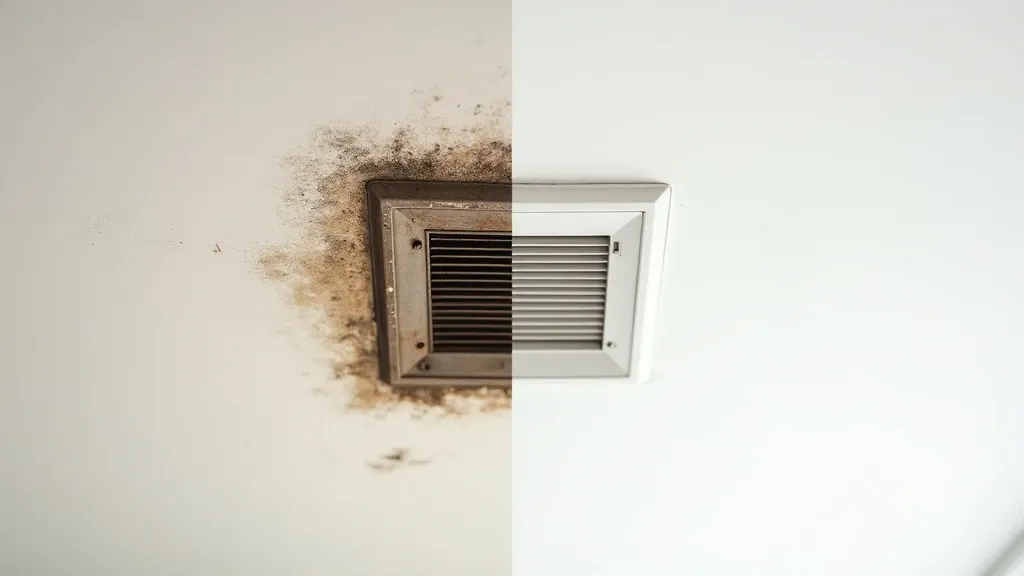
| Evaporative “swamp” cooler | Ductwork, around ceiling supply vents, cooler closet | Black speckling around a vent, musty air when the cooler kicks on |
| Pool splash-out and irrigation overspray | Base of north-facing stucco or block walls, adjacent interior wall | Damp or stained drywall on the inside of an exterior wall near the pool or sprinklers |
| Pipe or water-heater burst in a garage/attic | Wherever the water spreads, fast | Sudden water stain, a drop in water pressure, the sound of running water |
| Tightly-sealed new build trapping moisture | Inside exterior walls, behind vapor barriers | Condensation on windows, persistent musty smell in a newer home |
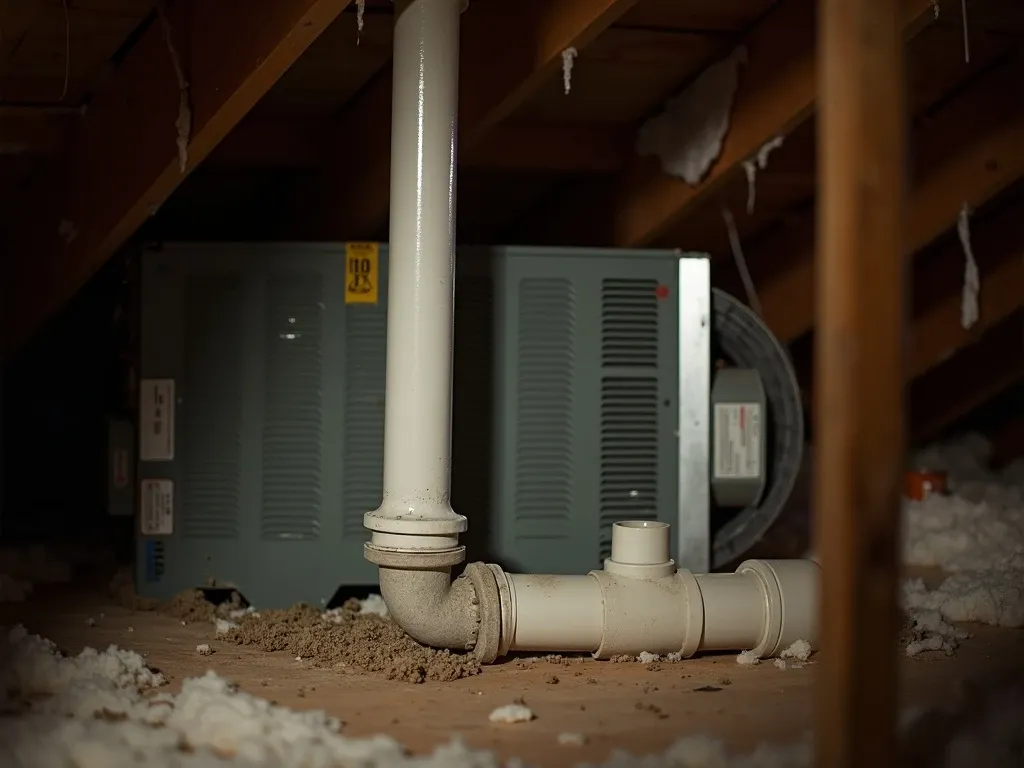
AC condensate lines and attic air-handler overflow
This is the single most common hidden source in newer Phoenix homes. Two-story stucco homes in Ahwatukee, Desert Ridge, Laveen, and Estrella often put the air handler in the attic. The condensate line clogs with dust and algae over a few seasons, or the metal drain pan rusts through, and the overflow soaks the ceiling below. Because the unit runs for months, the leak never gets a chance to dry out.
Slab and pinhole leaks under older Arcadia, Coronado, and Encanto homes
Mid-century ranch homes across Central and East Phoenix sit on concrete slabs with copper or galvanized plumbing that’s now 60 to 70 years old. A single pinhole leak under the slab wicks moisture up into hardwood floors, baseboards, and the bottom of drywall. It’s slow, it’s silent, and it’s one of the most common mold drivers in the city’s older neighborhoods.
Monsoon roof leaks on flat and low-slope roofs
From mid-June through September, Phoenix gets roughly a third of its annual rainfall, based on National Weather Service Phoenix climate normals (the often-cited “about half” figure is for the broader region, not the city itself). Those downpours pond on the flat and low-slope roofs common on ranch and mid-century homes. A hairline crack in the roof membrane lets water into the attic, where it sits warm and dark in the insulation. By the time a brown stain shows up on the ceiling, the mold has had a head start. More on the season below.
Evaporative “swamp” coolers pumping humidity inside
Many older homes in Maryvale, Sunnyslope, and South Phoenix still run evaporative coolers, which cool the house by blowing air across wet pads — deliberately adding humidity to your indoor air. A well-maintained cooler is fine, but an under-maintained one grows mold in its ducts and around the ceiling vents and pushes that air through the house every time it runs.
Pool splash-out and irrigation overspray on north-facing walls
With pools in so many Phoenix backyards, constant splash-out and sprinkler overspray hit exterior block and stucco walls all summer. North-facing walls get the least sun, so they dry the slowest, and a chronically damp spot on the outside can feed mold on the drywall inside.
Pipe and water-heater bursts in hot garages and attics
A water heater or supply line that lets go in a 120-degree garage or attic dumps dozens of gallons fast, and the summer heat means mold can start seeding the soaked drywall within 24 to 48 hours. A burst that’s mopped up on the surface but left damp inside the wall becomes a mold problem within days.
Modern tightly-sealed new builds trapping moisture
Newer Phoenix homes are built tight for energy efficiency, which is good for your power bill but means moisture that does get in has a harder time drying out. A small construction defect or a slow leak behind a sealed wall can hold water against drywall with nowhere to escape.
When is mold most likely in Phoenix? The monsoon spike
Mold risk in Phoenix isn’t flat across the year. It spikes with the monsoon.
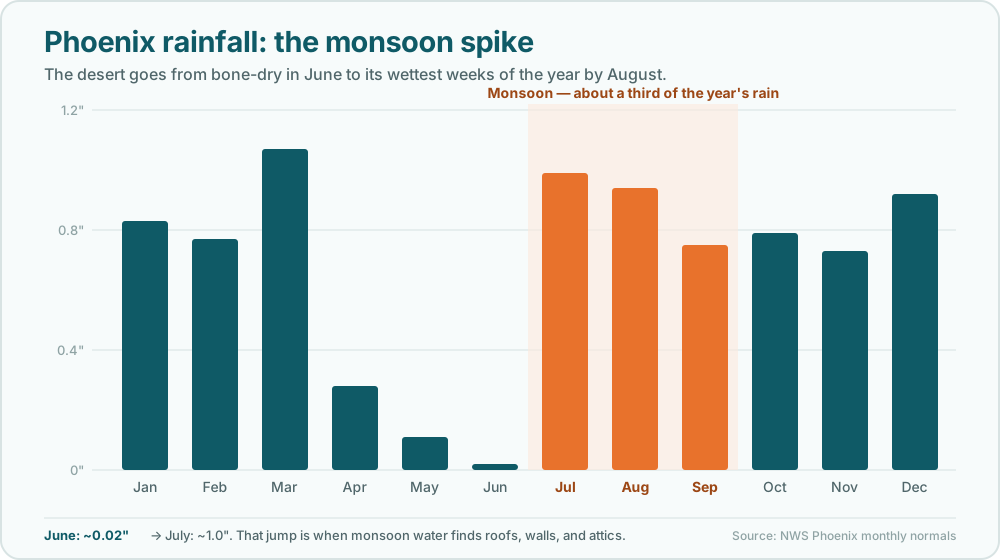
The North American Monsoon runs from about June 15 through September 30, and it’s when the dry desert finally sees real moisture — that roughly one-third of the year’s rain arrives as intense, localized thunderstorms. For a few weeks the equation flips: instead of liquid water only coming from indoor plumbing, it’s coming off the roof, through wall cracks, and occasionally in through the floor during flash flooding in low-lying areas near the Salt River, parts of Laveen, and South Phoenix.
Two things make the monsoon especially risky for mold:
- The heat speeds everything up. With attic temperatures well over 100 degrees, water that gets in doesn’t sit and wait — it feeds fast-growing mold within the EPA’s 24-to-48-hour window.
- The damage hides. Roof and attic leaks don’t show on your living-room wall right away. The water soaks insulation and the back of the ceiling drywall first, so the visible stain can appear weeks after the storm that caused it.
If your home took on roof water, had a ceiling leak, or flooded during a monsoon storm, it’s worth a look even after everything appears dry. That’s the highest-yield time of year to check.
How serious is mold for my health?
Mold is a real health topic, so it’s worth being accurate instead of alarming.
For most people, the health effects of mold are allergy-type symptoms: a stuffy or runny nose, coughing or wheezing, burning or itchy eyes, a sore throat, or a skin rash. Plenty of people have no reaction at all. Some groups, per the CDC, need to be more careful:
- People with asthma or a mold allergy can have stronger reactions.
- People with weakened immune systems or chronic lung disease can develop lung infections from mold and should stay out of moldy areas.
The Arizona Department of Health Services covers the same ground for Arizona residents in its mold-in-the-home fact sheet. The practical takeaway is calm and clear: you don’t want mold growing indoors, and if it’s there you should fix the moisture and remove it — no panic required. To keep the conditions mold needs from forming in the first place, the CDC recommends keeping indoor humidity no higher than 50%, which is rarely a problem in Phoenix except inside a home running a swamp cooler or hiding an active leak.
How do I find and stop mold in a Phoenix home?
Because desert mold hides, finding it is mostly about following the water and the smell rather than scanning your walls.
Look where the moisture collects
Start with the high-probability spots: under sinks, around the AC air handler and its drain pan, the ceiling under any upstairs or attic unit, the base of walls near a pool or sprinklers, and anywhere that’s flooded or leaked before. A persistent musty smell, a ceiling stain, bubbling paint, a warped baseboard, or allergy symptoms that ease when you leave the house are all reasons to look closer. Mold often shows up overhead first — our guide on ceiling mold walks through what a stain on the ceiling usually means in Phoenix.
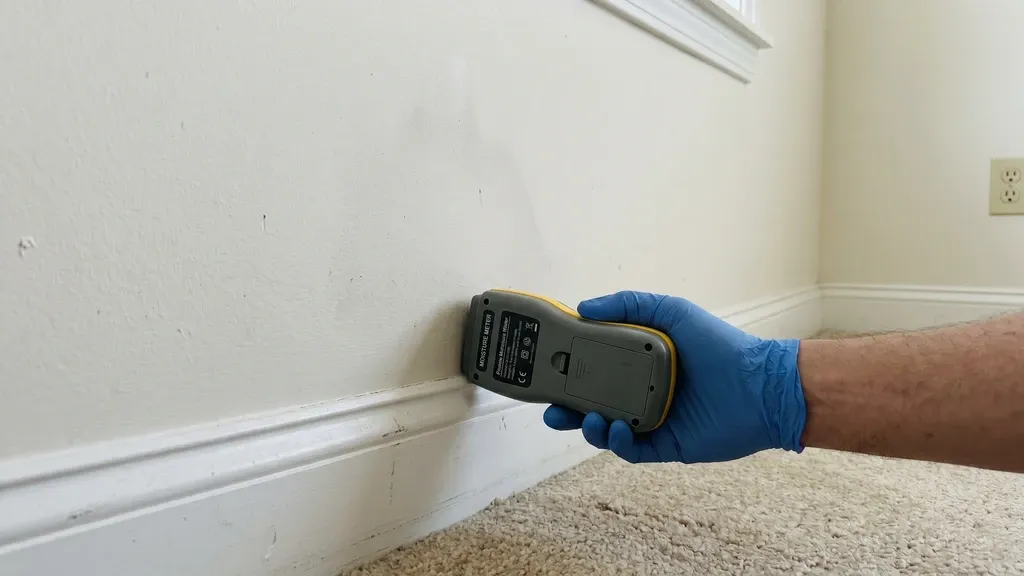
Stop the water first — always
Cleaning mold without fixing its water source just buys a few weeks before it returns. Find and repair the leak, clear the condensate line, patch the roof, or service the cooler before you clean anything. This is the EPA’s core rule: moisture control is the whole game.
Know when it’s a DIY job and when it isn’t
A small patch on a hard, sealed surface — the EPA’s rule of thumb is under about 10 square feet, roughly a 3-by-3-foot area — can usually be cleaned with soap and water or diluted bleach by a homeowner wearing gloves, eye protection, and an N95. Bigger than that, or mold from a slab leak, sewage, or flooding, or mold inside walls, the attic, or your HVAC, is when to bring in a professional who can contain the spores and fix the source without spreading it through the house. Wondering whether a dark patch is the dangerous kind? Our black mold guide explains why you can’t identify “toxic black mold” by color.
If you suspect hidden mold but can’t find it, that’s a job for a pro with moisture meters, because opening a wall can release a cloud of spores. A mold inspection maps how far the problem goes, and mold removal handles the cleanup and drying. You can also see typical mold removal cost ranges for Phoenix before you commit to anything.
For homeowners weighing whether their health symptoms could be tied to a moisture problem at home, our long-form reporting on whether mold illness is real covers what mainstream medicine has been solid on for decades (ABPA, hypersensitivity pneumonitis, invasive aspergillosis, fungal sinusitis) and honestly represents the contested CIRS side — with primary sources throughout.
Get a straight answer for your Phoenix home
If you’ve found mold — or you just keep smelling something musty and can’t place it — the fastest way to know what you’re dealing with is a free, no-obligation quote. Mold Pros Phoenix handles mold removal across the Valley and knows Phoenix housing, from 1950s Arcadia slab homes to new Ahwatukee stucco. Fill out the form and we’ll get you a local quote — no pressure, and no pretending the desert keeps your home safe. If you want to start with your neighborhood, see Phoenix mold removal.