Phoenix Mold Data & Charts — Free to Republish
These are original charts we built about mold in the Phoenix metro, drawn from public federal data (NOAA, FEMA, and the U.S. Census Bureau’s American Housing Survey) plus EPA and CDC guidance. They are free for journalists, bloggers, and homeowners to republish in an article, post, or report. We just ask for a visible credit with a link back to the source page. No permission needed, no cost.
How to use these charts
These charts are free to republish in your article, blog post, or report. We just ask for a visible credit with a link back to the source page. No permission needed, no cost. Each chart below has a one-line description of what it shows and where the data comes from, a preview, and a ready-made embed code. Paste the embed code into your page and the chart and credit go in together.
Prefer to cite the underlying numbers in your own words? Every figure is laid out and sourced on the chart’s linked page, so you can read the method and the original federal source there. Browse all of our free Phoenix mold guides for the full write-ups.
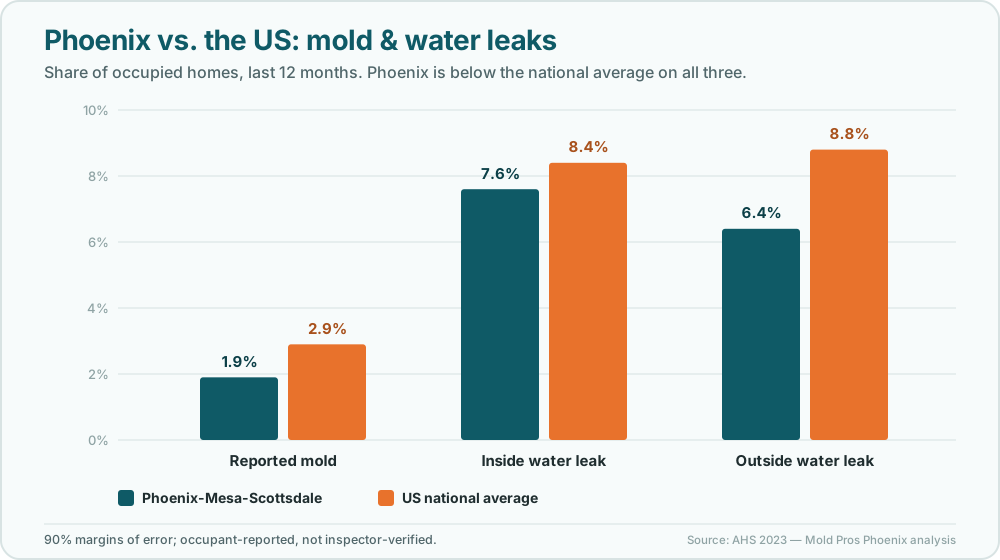
Phoenix vs. U.S. mold prevalence
How often Phoenix-area homes report mold compared with the U.S. as a whole.
Data source: U.S. Census Bureau / American Housing Survey (AHS)
Source page: https://moldprosphoenix.com/guides/phoenix-mold-statistics/
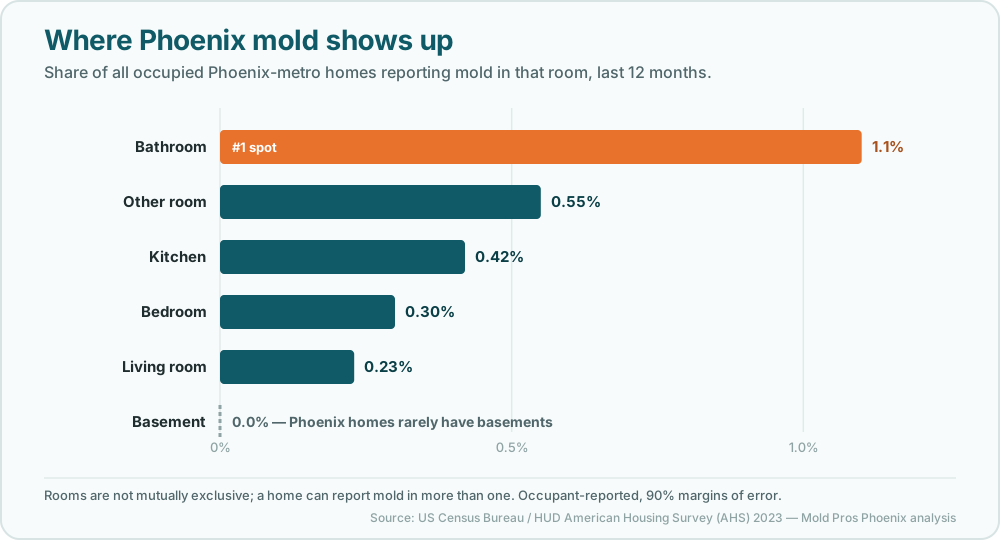
Phoenix mold reports by room
Which rooms Phoenix-area households report mold in most often.
Data source: U.S. Census Bureau / American Housing Survey (AHS)
Source page: https://moldprosphoenix.com/guides/phoenix-mold-statistics/
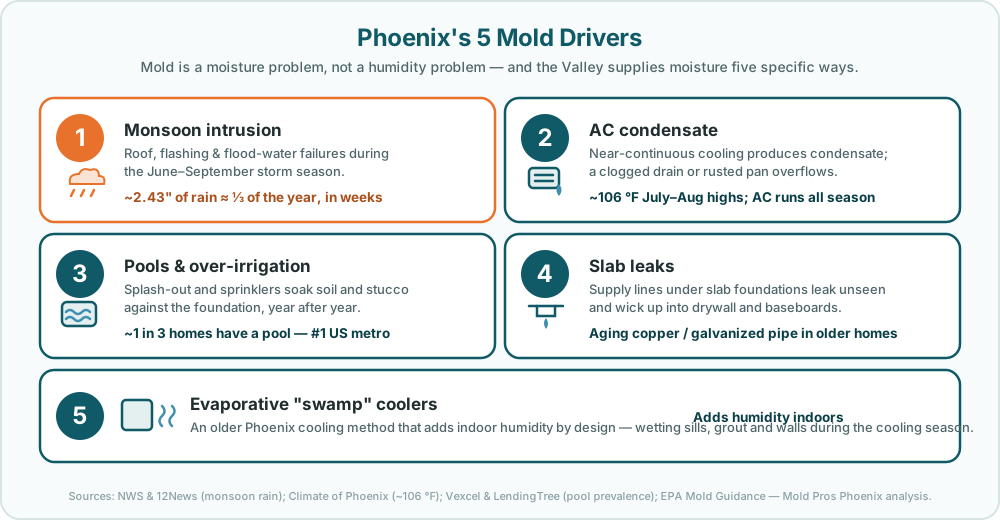
The five Phoenix indoor-moisture drivers
The specific moisture sources that let mold grow in desert homes.
Data source: Mold Pros Phoenix, built on EPA moisture guidance
Source page: https://moldprosphoenix.com/guides/phoenix-mold-risk-2026/
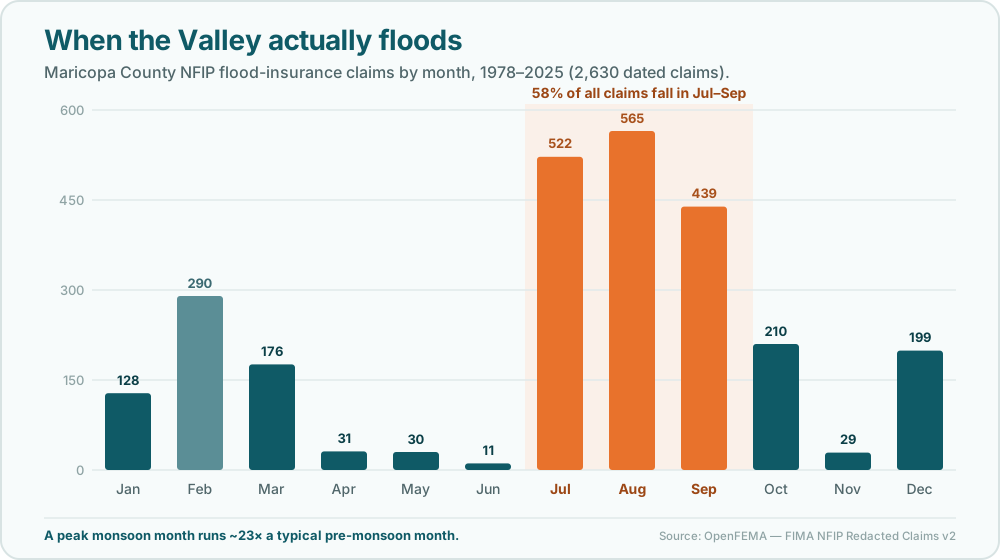
Maricopa County flood-insurance claims by month
When Maricopa County flood-insurance claims cluster across the year.
Data source: FEMA (National Flood Insurance Program)
Source page: https://moldprosphoenix.com/guides/desert-mold-paradox/
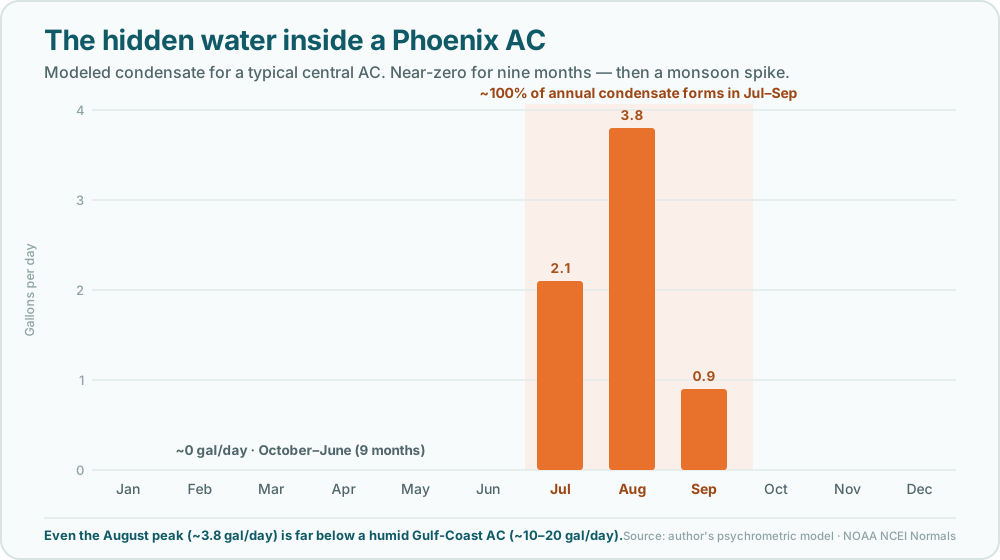
Modeled AC condensate output by month
How much water a Phoenix air conditioner is modeled to pull from the air each month.
Data source: Mold Pros Phoenix model, built on NOAA climate normals
Source page: https://moldprosphoenix.com/guides/desert-mold-paradox/
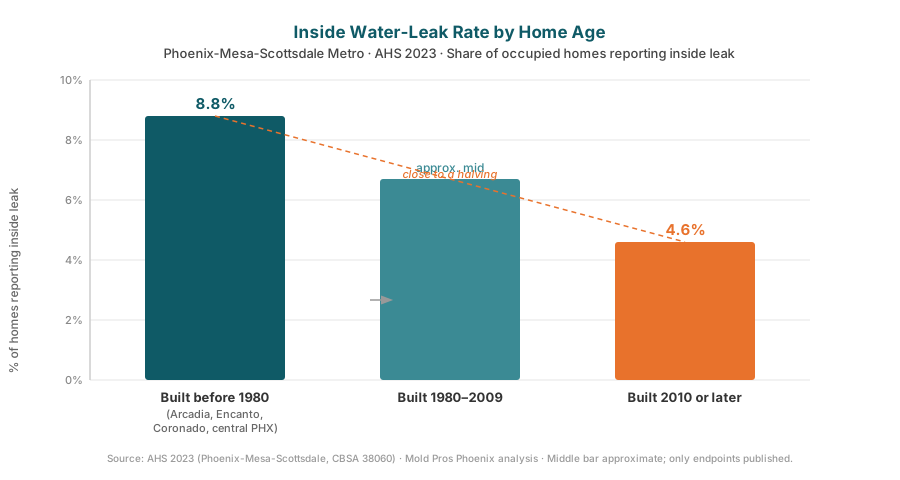
Plumbing-leak rate by home age
How reported plumbing-leak rates rise with the age of the home.
Data source: U.S. Census Bureau / American Housing Survey (AHS)
Source page: https://moldprosphoenix.com/guides/older-phoenix-homes-mold-risk/
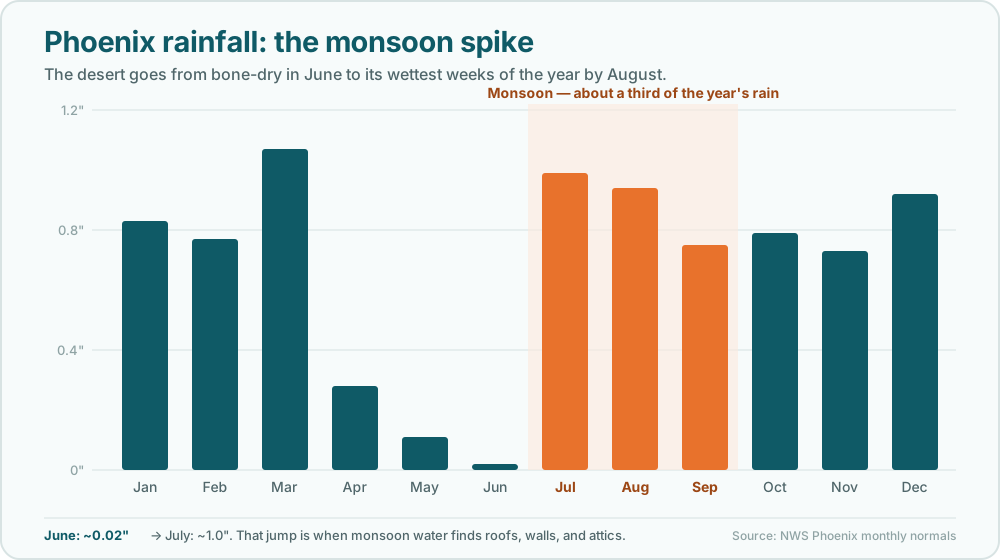
Monsoon share of annual Phoenix rainfall
How much of Phoenix’s yearly rain falls during the monsoon season.
Data source: NOAA / National Weather Service (NWS)
Source page: https://moldprosphoenix.com/guides/mold-in-the-desert/
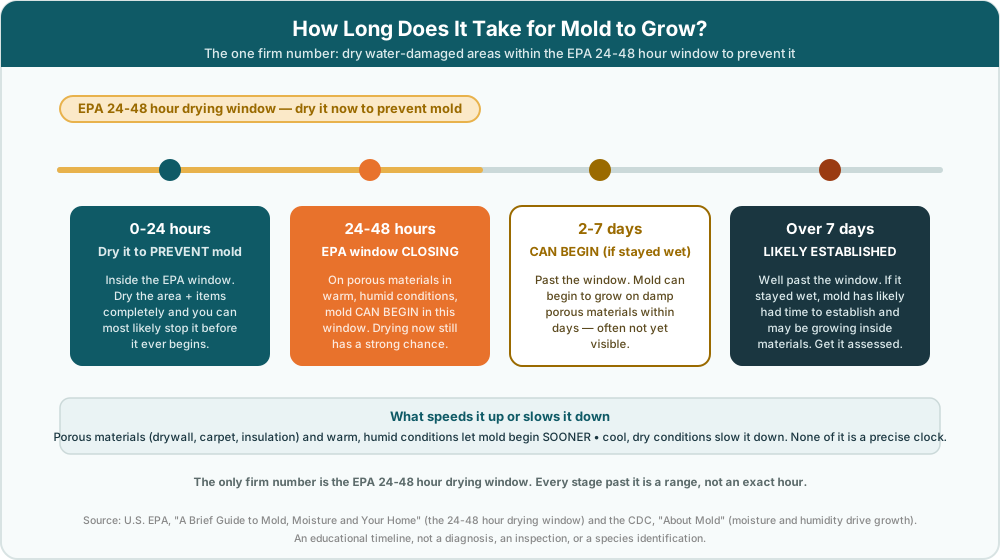
Mold growth timeline
How quickly mold can start to grow on a wet surface, including the EPA 24–48 hour window.
Data source: EPA guidance
Source page: https://moldprosphoenix.com/how-long-does-it-take-for-mold-to-grow/
A note on the data
Each chart is built from public data we name on its page: the U.S. Census Bureau’s American Housing Survey, FEMA’s flood-insurance records, and NOAA / National Weather Service climate data, alongside published EPA and CDC guidance. We do the chart-making; the underlying numbers are public. The figures, methods, and full citations live on each chart’s linked page, not here, so you can check the original source before you publish.
If a chart helped your story, a link back is all we ask. Questions about a chart, the method, or a format you need? Get in touch.