Non-Toxic Mold Removal: Safe Methods for Phoenix Homeowners
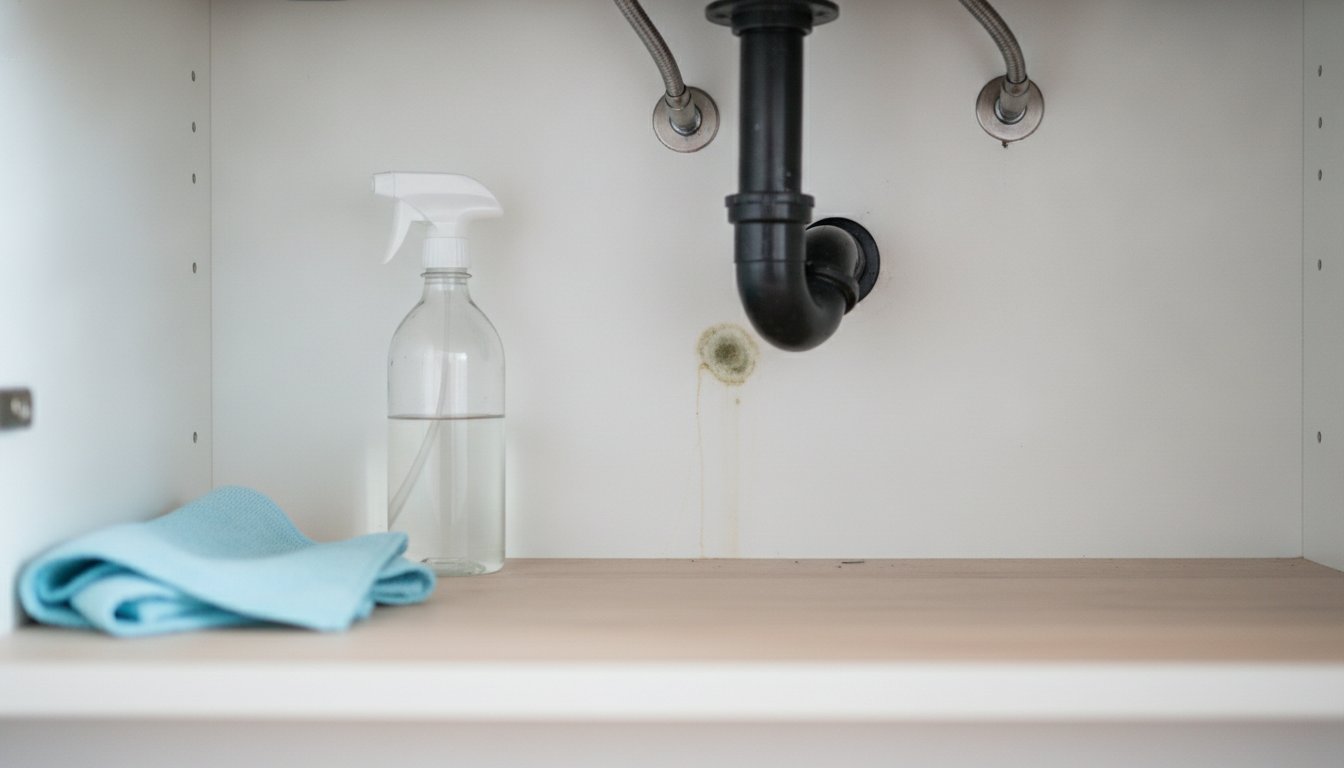
Drenching a mold colony in bleach doesn't actually kill the roots; it often just turns them white while filling your Phoenix home with respiratory irritants. It's a common mistake that many homeowners make before realizing the fumes are just as bothersome as the mold itself. You're right to worry about chemical residues lingering in your AC ductwork or affecting sensitive family members. In our dry desert environment, the goal for non-toxic mold removal should be moisture management and physical elimination rather than just spraying a bottle of harsh chemicals and hoping for the best.
We agree that your home should be a sanctuary, not a source of health stress. This article reveals the most effective chemical-free strategies tailored for the Phoenix metro area, helping you distinguish between internet myths and botanical solutions that actually work. You'll learn exactly which natural cleaners pass the test, how to handle small spots yourself, and when it's time to call in a professional to ensure your indoor air quality remains pristine. We're diving into a straightforward, science-based approach to keeping your property clean and your family safe without the use of toxic shortcuts.
Key Takeaways
- Bleach only removes mold's color, not its roots, and its water content can soak into porous drywall and feed regrowth.
- Distilled white vinegar and 3% hydrogen peroxide handle most hard-surface cleanup, but vinegar can dull or etch the calcareous stone (travertine, marble, limestone) common in Phoenix bathrooms.
- Once mold covers more than 10 square feet, the EPA guideline says it's time to call a professional rather than scrub it yourself.
- Phoenix mold almost always traces back to a hidden moisture source like a clogged AC condensate line, a monsoon roof leak, or a slab leak.
- Sealing off the work area with plastic and negative air pressure keeps spores out of your ductwork so they don't spread to other rooms during cleanup.
What is non-toxic mold removal and does it work in Phoenix?
In the restoration industry, "non-toxic" isn't just a marketing buzzword for homeowners who prefer essential oils. True non-toxic mold removal is a professional strategy that replaces harsh, synthetic biocides with botanical or mineral-based agents. These solutions, often derived from substances like thyme oil or citric acid, are designed to eliminate mold spores without leaving behind a trail of caustic fumes. For families in the Phoenix valley, this approach is becoming the standard. It prioritizes the safety of children, pets, and individuals with respiratory sensitivities who can't afford to trade a mold problem for a chemical exposure problem.
Phoenix presents a unique challenge for mold growth. While our outdoor humidity is famously low, our indoor environments often suffer from "micro-floods." A localized leak from a water heater or a slow drip behind a kitchen sink creates a high-moisture pocket where mold thrives despite the dry desert air outside. Using non-toxic methods in these confined spaces is highly effective because these agents can penetrate porous materials without damaging the structural integrity of your home. To gain a comprehensive overview of mold and how it interacts with indoor environments, it's helpful to look at the biology of the spores themselves.
To better understand how specific areas like bathrooms can be treated safely, watch this helpful video:
The shift away from traditional chemical biocides
Homeowners from Mesa to Scottsdale are increasingly rejecting the "scorched earth" approach of heavy chemicals. Traditional biocides often contain volatile organic compounds (VOCs) that linger in the air for days or weeks. By following EPA and CDC guidelines for moisture control and physical removal, professionals can achieve total remediation using botanical solutions. These methods protect your indoor air quality, ensuring that the air you breathe after the job is finished is truly clean, not just masked by a chemical scent.
Desert-specific mold triggers and non-toxic responses
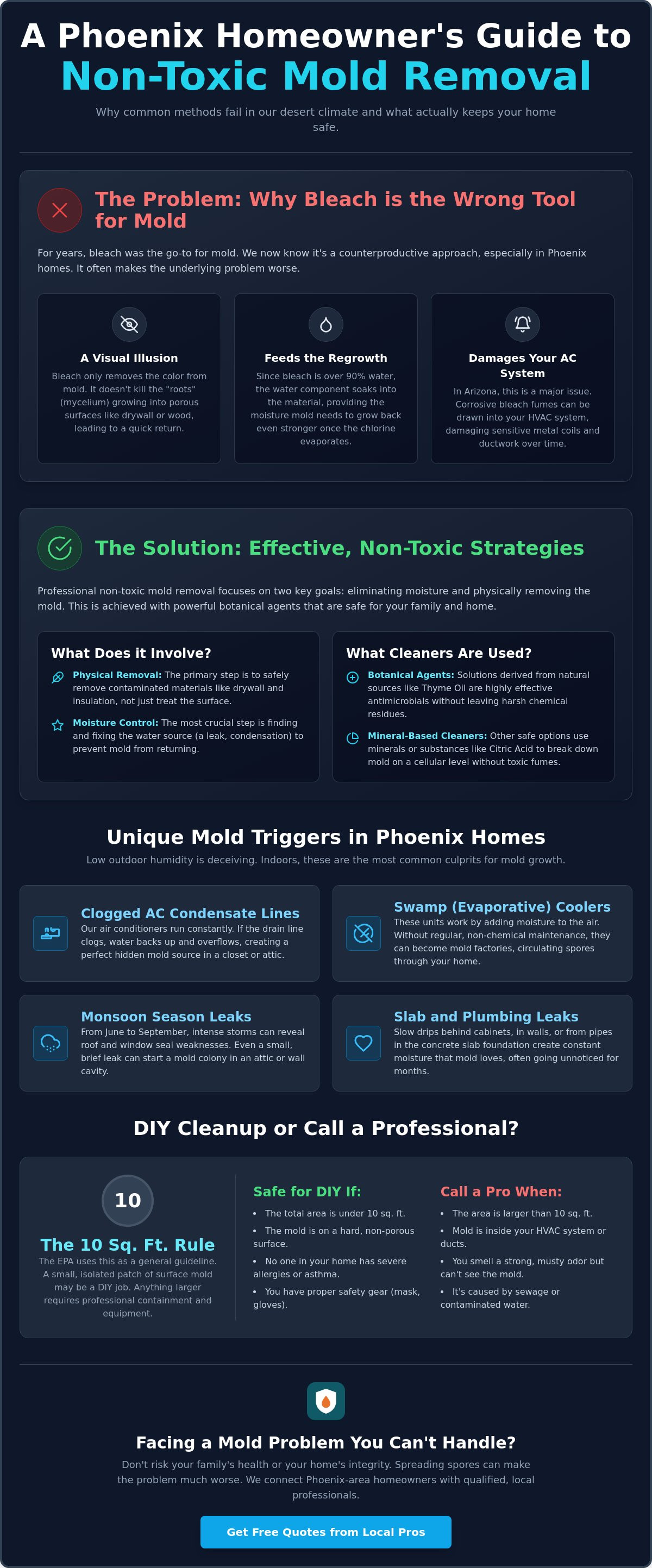
Our climate dictates where mold hides. In Phoenix, the most common culprit is a clogged AC condensate line. When these lines back up, water pools in pans or overflows into closets, creating a perfect nursery for mold. Tackling these areas with non-toxic mold removal prevents toxic fumes from being sucked directly into your HVAC system and redistributed throughout the house. During the monsoon season, attic leaks are another major concern. We use safe mineral cleaners to treat damp rafters and insulation, stopping mold in its tracks without introducing new toxins into your home's uppermost spaces. Even swamp coolers, which are essentially large humidifiers, require frequent non-chemical maintenance to prevent the "musty" smell that signals a growing colony.
Why are Phoenix homeowners ditching bleach for mold cleanup?
For decades, the standard response to a dark patch in the shower or a stained ceiling was to reach for a bottle of bleach. But as more residents seek non-toxic mold removal, they're discovering that bleach is often a counterproductive tool. It's an illusion. Bleach works by oxidizing the melanin in mold, which removes the color but leaves the living membrane intact. Because bleach is approximately 90% water, the chlorine evaporates quickly while the water remains. This moisture soaks into the material, effectively feeding the mold roots and encouraging them to grow back stronger than before.
In a desert city where our AC systems are our lifelines, bleach poses a mechanical risk. The fumes are highly corrosive to metal components. Using it near return vents or inside air handlers can degrade sensitive coils and ductwork over time. This damage often leads to expensive repairs that could have been avoided by using gentler, more effective agents. Choosing non-toxic mold removal methods helps protect both your health and your home's mechanical infrastructure.
The porous material problem in Arizona homes
Most Phoenix properties rely on drywall and fiberglass insulation, both of which are highly porous. When you spray bleach on these surfaces, the chemical component stays on top while the water component dives deep into the fibers. According to EPA guidelines on mold cleanup, porous materials that become heavily infested often require physical removal rather than just surface treatment. Bleach cannot penetrate the dense grain of structural lumber to reach deep-seated mold roots. This failure to reach the source is why many DIY projects result in the mold returning just a few weeks later.
Respiratory health and indoor air quality
Indoor air quality is a major concern for Valley residents managing asthma or allergies. Mixing bleach with other household cleaners or using it in small, poorly ventilated laundry rooms can create dangerous chlorine gas. The Arizona Department of Health Services (ADHS) highlights that mold itself causes respiratory distress, and adding harsh chemical VOCs to the mix only complicates the recovery process. This is a particular worry for "Snowbird" homes that stay shuttered during the peak summer heat. Without active ventilation, chemical odors and mold spores become trapped, creating a harsh environment for returning owners. If you suspect your home has developed a musty odor while you were away, a professional mold inspection can identify the source without relying on heavy scents to mask the problem.
Which natural cleaners actually do anything to mold?
Ditching bleach doesn't mean you're left without options. Several safe, readily available substances are used for non-toxic mold removal in the Valley, with results that vary by product and by mold species. What they share is that they clean hard surfaces without off-gassing harsh chemicals into your living space. While some are better for surface cleaning, others excel at preventing future growth in the hidden, dusty corners of your attic or crawlspace. Following EPA mold cleanup guidance ensures these tools are used effectively as part of a broader moisture control plan.
Distilled white vinegar is a staple for a reason: it is cheap, low-odor, and fine to use around a kitchen. Its effect on mold is species-dependent rather than universal — in the peer-reviewed testing we could find, household-strength vinegar inhibited the growth of one common indoor mold species and had no measurable effect on another — so treat it as a hard-surface cleaner, not a guaranteed kill. It is also mostly water, which is why it is the wrong tool for porous material like drywall. See does vinegar kill mold for the full evidence. For tougher jobs, 3% hydrogen peroxide is an oxidizing agent that bubbles on contact with organic material, which helps lift mold from the surface. Unlike bleach, hydrogen peroxide breaks down into just water and oxygen, leaving no toxic residue behind.
Mineral-based options like baking soda and Borax provide a different layer of protection. Baking soda is a mild disinfectant that also absorbs the musty odors common in damp laundry rooms or under-sink cabinets. Borax, a natural mineral powder, has a high pH level that makes surfaces uninhabitable for mold spores. When used correctly, these minerals create a long-term barrier that inhibits new growth even after the initial cleanup is finished.
Vinegar vs. Peroxide: Which is better for your Phoenix home?
Choosing between these two depends on where the mold is growing. Vinegar is convenient around AC vents and in kitchens because it's food-safe and cuts through grease — that's a convenience argument, not an efficacy one, since what it does to the mold depends on the species (see does vinegar kill mold). Keep it off calcareous stone — travertine, marble, and limestone, all common in Phoenix remodels — where the acid can dull or etch the surface. Granite is siliceous and generally acid-resistant, though acidic cleaners still aren't recommended on it. Hydrogen peroxide is the better choice for bathroom tile grout and light-colored fabrics. It provides a whitening effect without the respiratory risks of chlorine fumes. Always test a small, hidden area first to ensure no discoloration occurs.
Professional-grade botanical solutions
When a DIY fix isn't enough, professionals often turn to botanical surfactants. These are concentrated oils, primarily thymol derived from thyme plants, that offer heavy-duty non-toxic mold removal capabilities. These solutions are preferred for "Green" building certifications in Phoenix because they meet strict indoor air quality standards. Professionals apply these through direct contact or specialized fogging equipment. Fogging allows the botanical particles to reach high vaulted ceilings and deep into wall cavities, neutralizing airborne spores without requiring a total home evacuation. If you're dealing with a larger issue, professional mold remediation using these botanical tools offers a balance of safety and industrial-strength results.
When is DIY natural cleaning not enough for Arizona mold?
Most homeowners can handle a small patch of mildew on a shower curtain or a window sill. However, there's a clear boundary where a weekend project turns into a professional remediation job. The EPA suggests a simple benchmark: if the affected area is larger than 10 square feet, it's time to call a professional. At this scale, the risk of cross-contamination becomes too high for standard household tools. Scrubbing a large colony without professional containment doesn't just clean the surface; it releases millions of spores into the air that your AC system will then distribute to every other room in your house.
While we advocate for non-toxic mold removal, it's vital to recognize that natural sprays only work on surfaces they can touch. They cannot reach the mold growing inside your fiberglass insulation or the colonies thriving deep within your AC ductwork. In these cases, the material itself acts as a shield for the mold. If you try to soak these porous items with vinegar or peroxide, you're often just adding more moisture to an already compromised environment. This is why professional intervention focuses on physical removal and containment rather than just surface treatment.
Identifying hidden desert moisture sources
In the Phoenix metro area, mold is rarely an "out in the open" problem. It's usually a symptom of a hidden moisture source. A slow slab leak under your foundation can provide enough water to fuel a massive colony behind your baseboards for months before you see a single spot. Your best diagnostic tool is often your nose. If you notice a persistent musty smell in a room that looks clean, the mold is likely growing inside the wall cavity or under the flooring. Moisture mapping is a specialized diagnostic process that uses thermal imaging and moisture meters to pinpoint these hidden growth zones without tearing apart your home unnecessarily.
The limitations of surface treatments
Surface treatments are great for maintenance, but they can't fix structural issues. When mold infiltrates drywall or the "pink stuff" insulation in your attic, those materials usually require physical removal. Attempting to DIY an attic mold issue during a Phoenix summer is particularly dangerous due to extreme heat and the lack of ventilation. It's often safer and more effective to look at the mold-removal-cost as an investment in your home's long-term health. Professionals use negative air pressure and HEPA filtration to ensure that once the mold is gone, it stays gone. If you're concerned about a recurring musty odor or a leak that won't quit, a professional mold inspection gives you a clear picture of what's happening behind your walls.
How to ensure a safe, non-toxic remediation process
A professional remediation shouldn't leave your home smelling like a chemistry lab. When you've decided that a project is too large or complex for a DIY fix, the focus shifts to a methodical, five-step process that prioritizes safety and long-term results. This isn't about just spraying a solution; it's about a systematic approach to cleaning your environment and ensuring the mold doesn't have the moisture it needs to return. Following a strict protocol is the only way to guarantee that non-toxic mold removal is as effective as traditional, harsher methods.
- Step 1: Fix the moisture source. Whether it's a clogged AC condensate line or a monsoon-driven roof leak, the water must be stopped first. Without fixing the source, remediation is only a temporary bandage.
- Step 2: Isolate the area. Professionals use heavy-duty plastic sheeting and negative air pressure. This containment is critical in Phoenix homes to prevent spores from entering the ductwork and traveling to other rooms.
- Step 3: Physically remove contaminated materials. As we discussed, porous items like drywall and insulation that are heavily infested cannot be saved. They must be carefully bagged and removed from the property.
- Step 4: Clean structural elements. Once the porous materials are gone, the remaining wood studs or concrete are cleaned using HEPA vacuums and professional-grade botanical agents. This ensures any remaining spores are neutralized safely.
- Step 5: Verify the cleanup. Never skip post-remediation testing. This third-party verification proves the air quality has returned to normal levels before you start the rebuilding process.
Questions to ask a Phoenix mold professional
Because Arizona doesn't have a state-level license for mold remediation, you've got to do your own due diligence. Always ask if a company uses botanical or mineral-based agents for non-toxic mold removal rather than standard biocides. You should also confirm they carry proper insurance and employ technicians with industry-standard certifications, such as those from the IICRC. Ask for a detailed explanation of their containment strategy; if they don't mention negative air machines or HEPA filtration, they aren't protecting your home's air quality.
Finding the right help in the Valley
If you're feeling overwhelmed by a discovery in your attic or behind a vanity, Mold Pros Phoenix is here to act as your steady hand. We understand the specific environmental nuances of the region, from the humidity spikes in Tempe to the slab leak risks in Gilbert. Our goal is to provide a transparent, grounded guide through the remediation process without the high-pressure sales tactics common in the industry. You deserve a home that's safe for your family and free from chemical residues. Get your free mold removal quote today and take the first step toward a cleaner, healthier home.
Take Control of Your Indoor Air Quality Today
Living in the Phoenix metro area means staying vigilant about moisture, whether it's from a sudden monsoon downpour or a silent AC leak. You've seen that ditching bleach isn't just about being eco-friendly; it's a smarter, more effective way to protect your home's structure. By focusing on non-toxic mold removal, you can eliminate spores without introducing VOCs that linger in your living spaces. Successful remediation relies on physical removal and fixing the underlying water issue rather than just masking a problem with heavy scents.
Mold Pros Phoenix handles non-toxic mold removal across the Valley, using botanical and mineral-based methods that respect your family's health instead of trading one problem for another. You don't have to face a mold discovery alone or settle for outdated, chemical-heavy methods that irritate your respiratory system. Ready to clear the air? Get a free, no-obligation quote today — no pressure, just a clear next step toward a cleaner, healthier home.
Frequently Asked Questions
Which non-toxic cleaner should I use on which surface?
Match the product to the surface. For surface-level non-toxic mold removal on non-porous materials like glass, metal, or tile, detergent and water is the EPA's own recommendation and vinegar is a common alternative. Keep acids off calcareous stone such as travertine, marble, and limestone, and off porous material like drywall, where a spray adds water without reaching mold rooted below the surface. Vinegar's effect on the mold itself is species-dependent — the detail is in our guide on whether vinegar kills mold. It is a maintenance tool, not structural remediation.
Can I use baking soda to kill black mold on my bathroom ceiling?
Baking soda is an excellent natural cleaner and deodorizer, but it typically isn't strong enough to kill an established colony on a porous bathroom ceiling. It works well to inhibit future growth by raising the pH level of a surface, making it less hospitable to spores. If you see dark spots on drywall, the mold is likely growing through the material, meaning a surface scrub won't solve the underlying problem.
How much does professional non-toxic mold remediation cost in the Valley?
Professional remediation costs in the Phoenix area vary significantly based on the size of the affected area and the materials involved. Factors like the need for specialized containment, the height of your ceilings, and the removal of contaminated drywall will influence the final cost. While local averages are often lower than the national standard, getting a specific inspection is the only way to determine the scope of your unique project.
Is hydrogen peroxide safer than bleach for cleaning mold near AC vents?
Hydrogen peroxide is much safer than bleach for use near AC vents because it's non-corrosive to the metal components and sensitive coils in your HVAC system. It effectively oxidizes mold spores and breaks down into harmless water and oxygen. This makes it an ideal choice for non-toxic mold removal in areas where air is actively circulated throughout your home.
What should I do if I find mold in my "snowbird" home after the summer?
If you discover mold in a home that's been closed up for the summer, you should avoid immediately scrubbing the area. The spores have likely spread through the stagnant air and settled on multiple surfaces while the home was shuttered. Your first step should be a professional inspection to determine if the mold is localized to a specific leak or if the entire indoor environment requires treatment.
Are botanical mold cleaners safe for pets and children with allergies?
Botanical cleaners, particularly those using thymol derived from thyme oil, are generally safe for pets and children with respiratory sensitivities. These professional-grade solutions eliminate mold without the lingering VOCs found in traditional chemical biocides. They provide a thorough clean that doesn't trigger the coughing or watering eyes often associated with industrial-strength restoration chemicals used by some competitors.
How can I prevent mold naturally during the Arizona monsoon season?
The best natural prevention during the monsoon season is keeping your indoor humidity below 50% and ensuring proper airflow. Check your AC condensate lines frequently to prevent backups, as these are a primary source of summer mold in the Valley. Using a simple dehumidifier in damp laundry rooms or closets can stop spores from ever taking root during our humid summer months.
Does the EPA approve of natural mold removal methods for homes?
The EPA doesn't officially "approve" specific cleaning brands, but their guidelines emphasize that bleach is not a routine requirement for mold cleanup. They recommend using a simple detergent and water solution for areas under 10 square feet. This aligns with the shift toward non-toxic methods that prioritize physical removal and moisture control over the application of harsh chemical disinfectants.