New-Construction Mold in Phoenix Homes
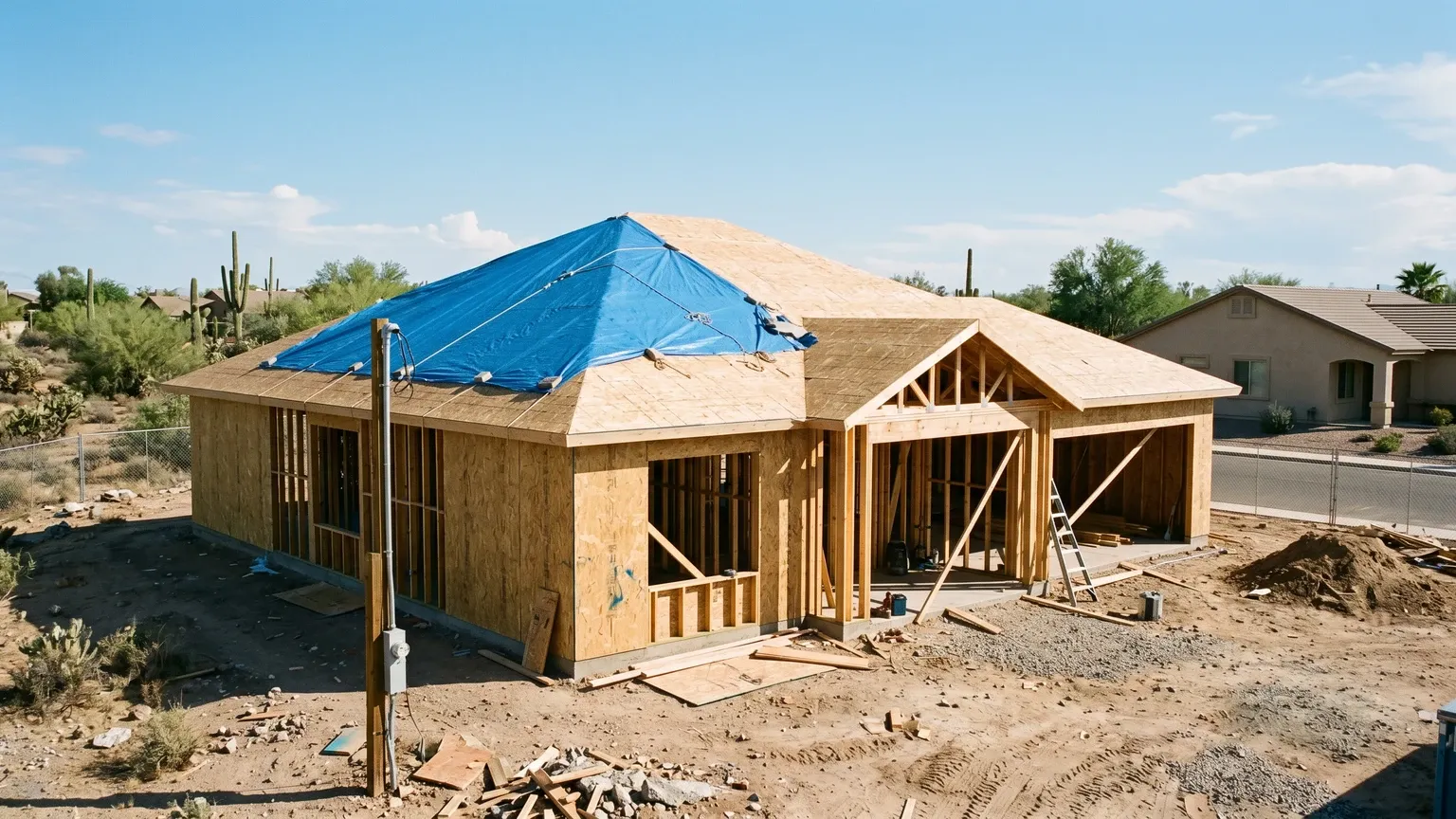
Brand-new Phoenix homes can and do develop mold, often within the first year. The causes are specific to how fast homes are built here and what happens when you run the air conditioning for the first summer. Here is why it happens, and how to catch it before the warranty window closes.
Why “new” does not mean mold-free
The common assumption is that a freshly built home has no mold risk because nothing has aged or deteriorated yet. That assumption misses where new-construction mold actually comes from.
Mold does not need a failing house. It needs moisture and something organic to grow on. A new home has plenty of both: lumber, OSB sheathing, drywall, and wood floor framing are all organic. And a new home in Phoenix goes through several stages where those materials are exposed to water, sometimes a lot of it.
The EPA’s core principle on mold prevention is moisture control. Fix or prevent the moisture and you prevent the mold. New construction creates moisture exposures that an occupied, maintained home does not, and Phoenix’s build pace can mean those exposures get sealed up before materials fully dry.
This guide covers the three main pathways. For context on how mold risk shifts as a home ages, the older Phoenix homes mold risk guide covers what changes with age, plumbing, and roofing history. The two guides bookend the housing-age spectrum.
The three main pathways in a new Phoenix home
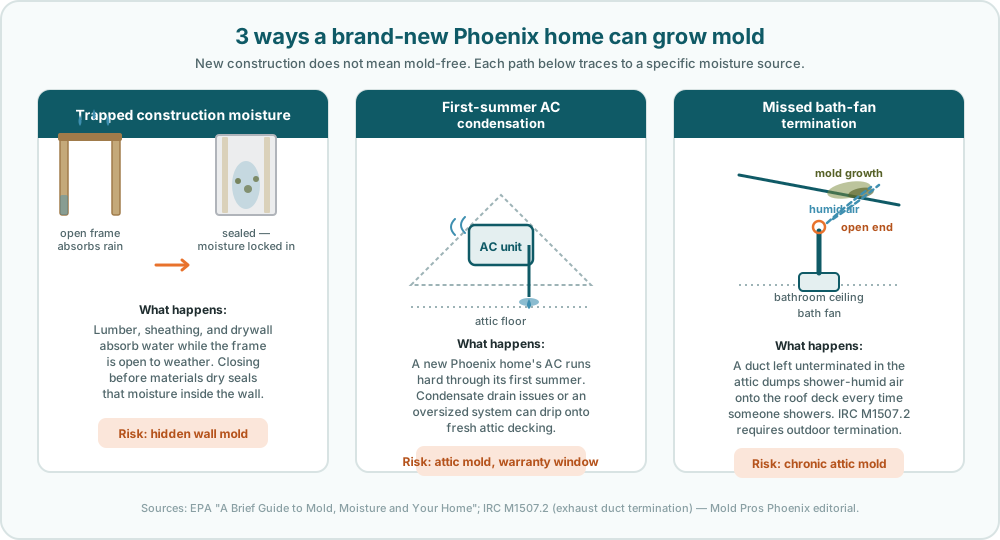
1. Trapped construction moisture
This is the least visible pathway and the one most specific to new construction.
A home frame sits open to the weather from the time the foundation is poured until the roof goes on and the exterior is dried in. In Phoenix, that period can include summer monsoon rains, and heavy rain on an open frame soaks into framing lumber and OSB sheathing. Concrete slab curing releases moisture upward. Fresh stucco on the exterior walls is essentially wet plaster that takes time to cure and drive residual moisture out.
The problem is timing. If the home is closed up, insulation installed, and drywall hung before the framing reaches an acceptable moisture content, that moisture is now sealed inside the wall cavity. Warm temperatures on the interior side and the house being conditioned will eventually push that moisture toward the exterior, but in a sealed wall, it has to go somewhere first, and wood surfaces in the path can stay wet long enough for mold to establish.
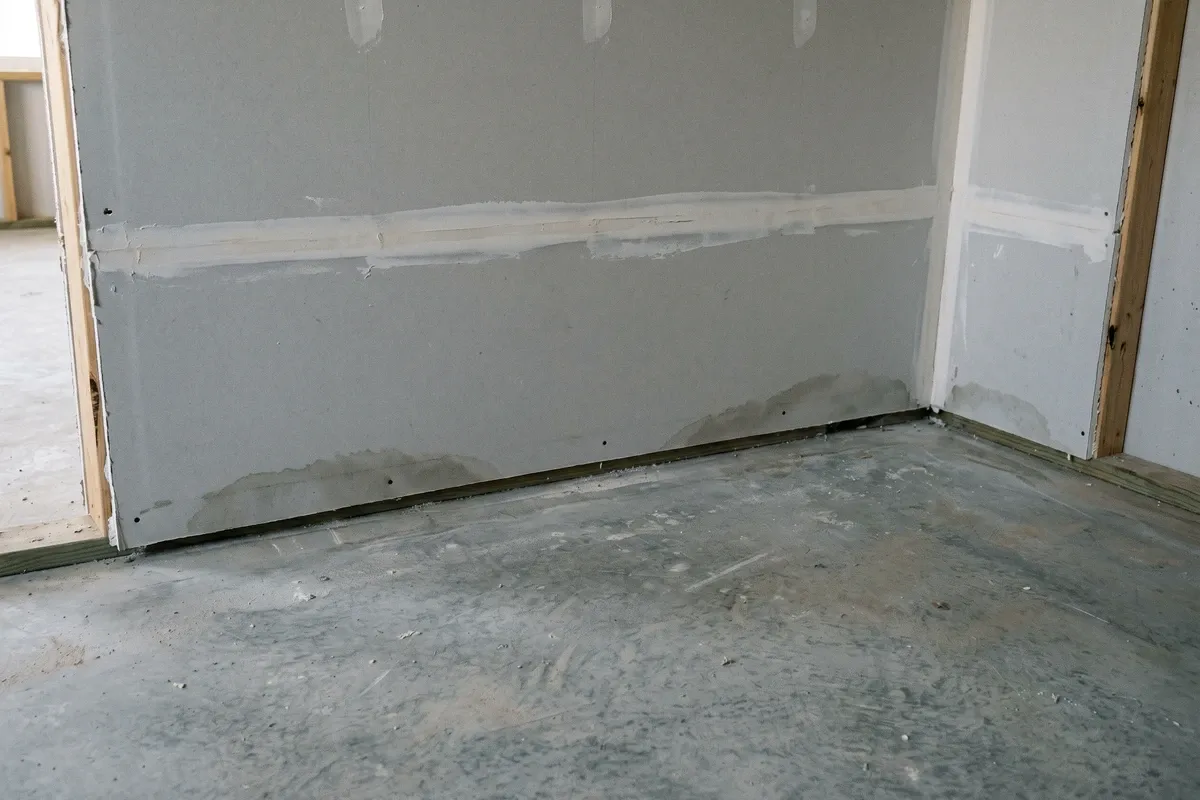
The EPA’s guidance on water-damaged materials is that mold can begin establishing within 24 to 48 hours on wet organic surfaces under the right conditions. New construction lumber and sheathing that have absorbed rain are, by definition, water-damaged materials, and sealing them inside a wall does not dry them out on its own schedule.
The practical fix during construction is to check framing moisture content before drywall goes on. After closing, if you notice a musty smell in a room with no visible moisture history, the walls are worth investigating, particularly in a first-floor room directly above the slab.
2. First-summer AC condensate issues
Phoenix homes run air conditioning from around April through October at minimum. For a new home, that first full cooling season is when the HVAC system gets its real stress test.
In many new Phoenix builds, the air handler is mounted in the attic. That unit pulls moisture out of the living space and routes it through a condensate drain line, typically a PVC pipe that exits to the outside. A properly installed, clear condensate drain is not a mold risk. But in a new installation, a few things can go wrong that create one:
The drain line can be improperly sloped so water doesn’t flow out freely, or the line might have a partial clog from construction debris left in the system during the build. An oversized AC system (one sized for worst-case load on a very hot day) runs in shorter cycles, which means the coil cools rapidly and can produce more condensate than a correctly sized unit. Any of these issues can cause condensate to back up and overflow the drain pan, dripping onto fresh attic decking.
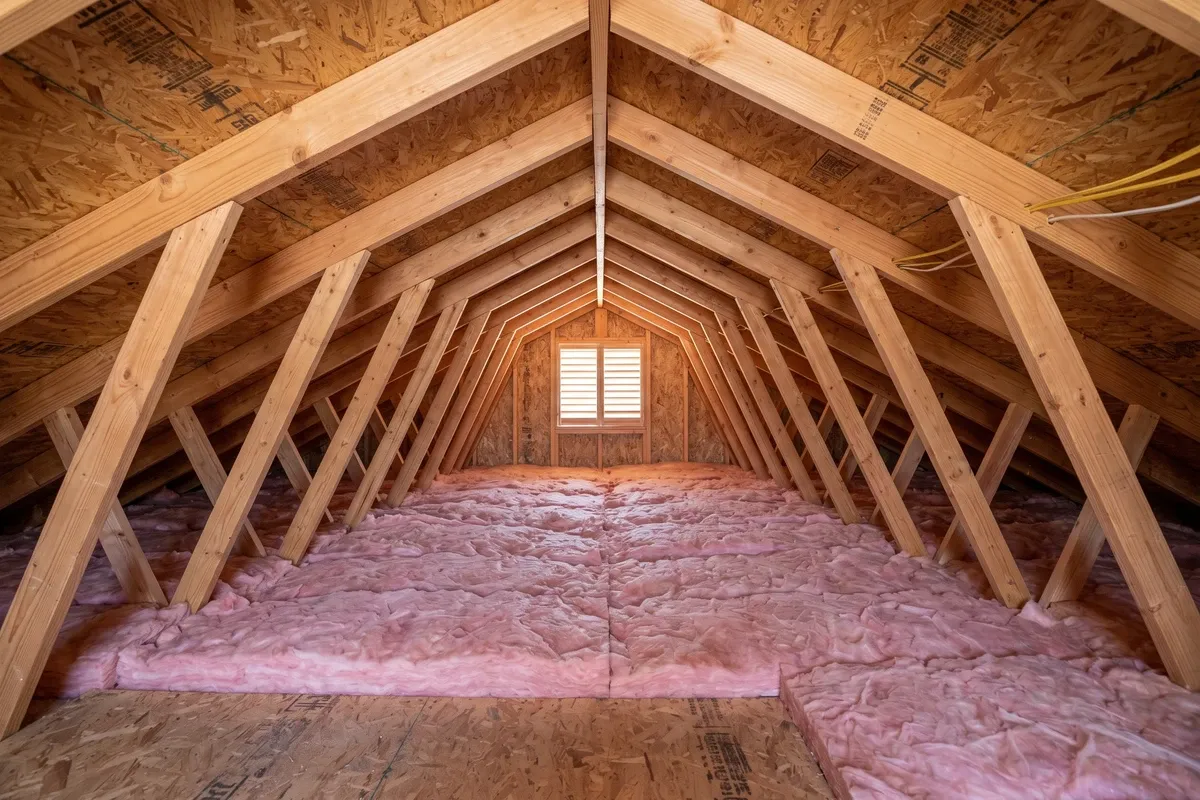
The EPA’s mold guidance again points to the timeline: 24 to 48 hours of sustained moisture on wood is enough for mold to begin. Fresh OSB roof decking that gets a slow condensate drip over a few weeks of the first summer can develop mold before anyone goes into the attic to look.
The signal to watch for: an unexplained musty smell when the AC runs, or visible staining on the ceiling below the air handler. Either of these in a new home points toward the attic unit and the condensate drain as the first place to check.
3. A bath exhaust fan terminating in the attic
This is the most common construction defect that generates mold in new Phoenix homes, and it’s one of the easiest to miss during a buyer’s walk.
Building codes require bathroom exhaust fans to discharge to the outdoors, not into the attic. The International Residential Code section M1507.2 requires that mechanical exhaust ducts terminate outdoors, not into an attic, crawlspace, or other interior space. In practice, this means the flex duct from the bathroom fan should run up through the attic and exit through a roof cap or a wall vent to outside air.
The defect happens when that duct is run up into the attic and simply ends there, disconnected or left without a cap. From a quick walk-through of the bathroom, the fan grille looks correct. It even runs when you flip the switch. But the air it moves is going straight into the attic.
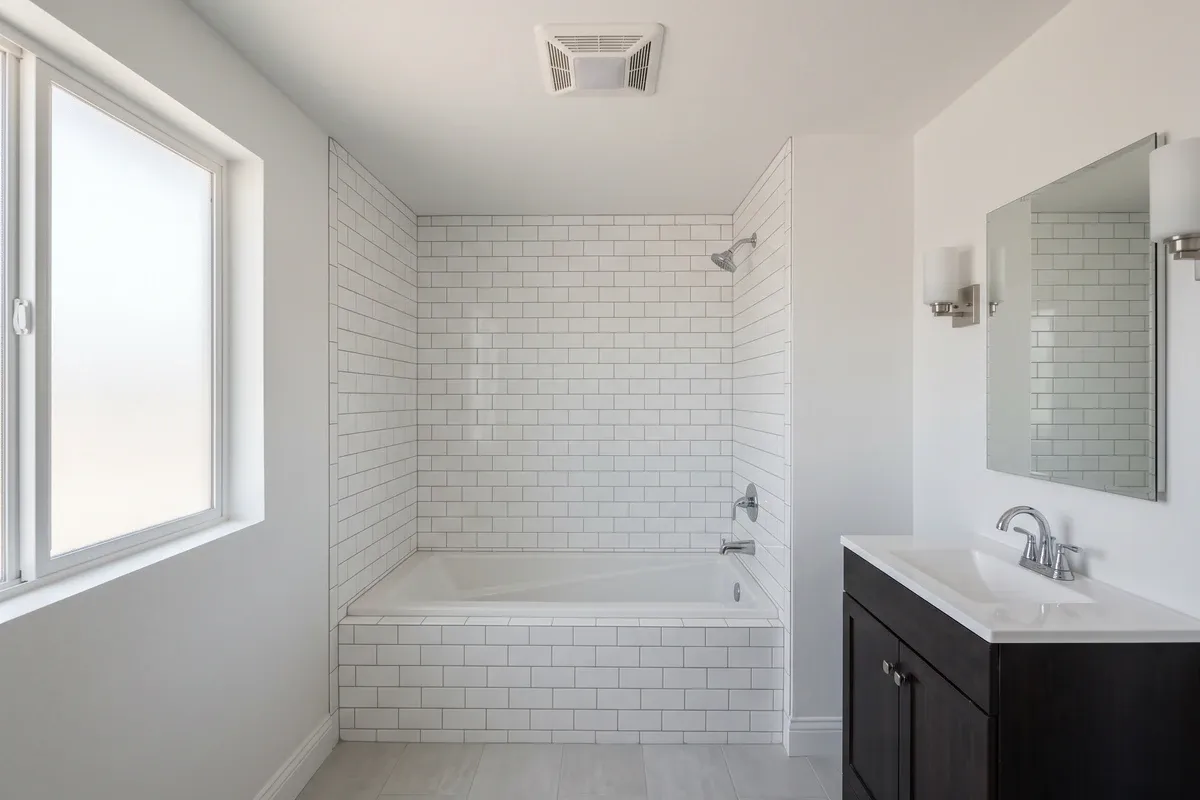
Every shower sends a pulse of warm, humid air through that duct into the attic. In Phoenix, where temperatures in a closed attic can climb to 140 degrees Fahrenheit and above in summer, warm humid air hitting a cooler surface, particularly the underside of the roof sheathing at night when temperatures drop, creates condensation. Do that daily for a few months and the OSB sheathing begins to grow mold.
The fix is straightforward: connect the duct to a proper exterior termination. But the mold on the decking and rafters that resulted from months of moisture dumping is a separate remediation job.
You can check this yourself by going into the attic with a flashlight and tracing each exhaust duct to its end. If the duct ends inside the attic rather than exiting through the roof or a wall cap, that is the defect. A good 11-month warranty inspection will include this check as a standard item.
Additional construction-phase gaps
The three above are the main pathways, but a few others show up in new Phoenix builds often enough to mention.
Plumbing punch-list misses. A supply line connection that is hand-tight but not properly seated, or a drain fitting that wasn’t fully glued, can drip inside a wall from day one. In a new home, even a slow drip runs for months before anyone notices drywall softening or paint bubbling.
Roof and flashing details done fast. Tile roofs and flat roof sections on Arizona homes require careful flashing at penetrations. A fast-tracked new build where roofing is installed to meet a closing date doesn’t always get that detail fully watertight at every transition. The first heavy monsoon finds the gap.
Irrigation against the foundation. New landscaping around a Phoenix home often includes drip irrigation systems. If the drip heads point toward the foundation or are set too close to stucco walls, over-watering creates chronic moisture against the exterior cladding, which works inward.
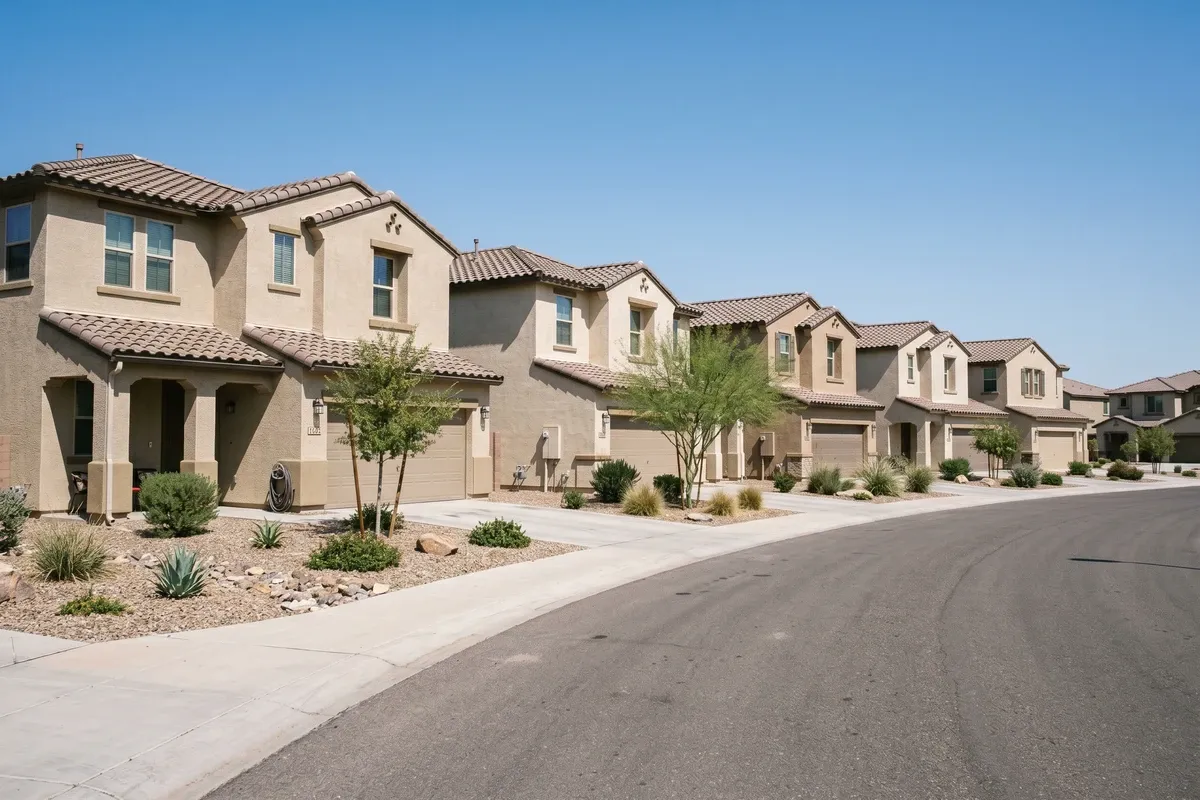
When to catch it: the pre-drywall walk and the 11-month inspection
New homebuyers typically have two practical windows to catch hidden construction moisture before it becomes a mold problem.
Pre-drywall walk. Most builders allow a walk-through at the framing stage, before insulation and drywall close the walls. This is the time to ask about framing moisture content (a moisture meter on exposed lumber gives a reading), to confirm that any rain exposure has been dried, and to verify that all exhaust duct terminations are planned correctly. Many buyers skip this or treat it as optional. It is the single best window to see what goes into the walls.
The 11-month inspection. Builder warranty terms vary by builder and contract, and you should read yours rather than rely on a general description. Many builders offer some period of workmanship coverage, and scheduling a professional inspection close to that deadline, before it expires, gives you documentation of any defects before your claim window closes.
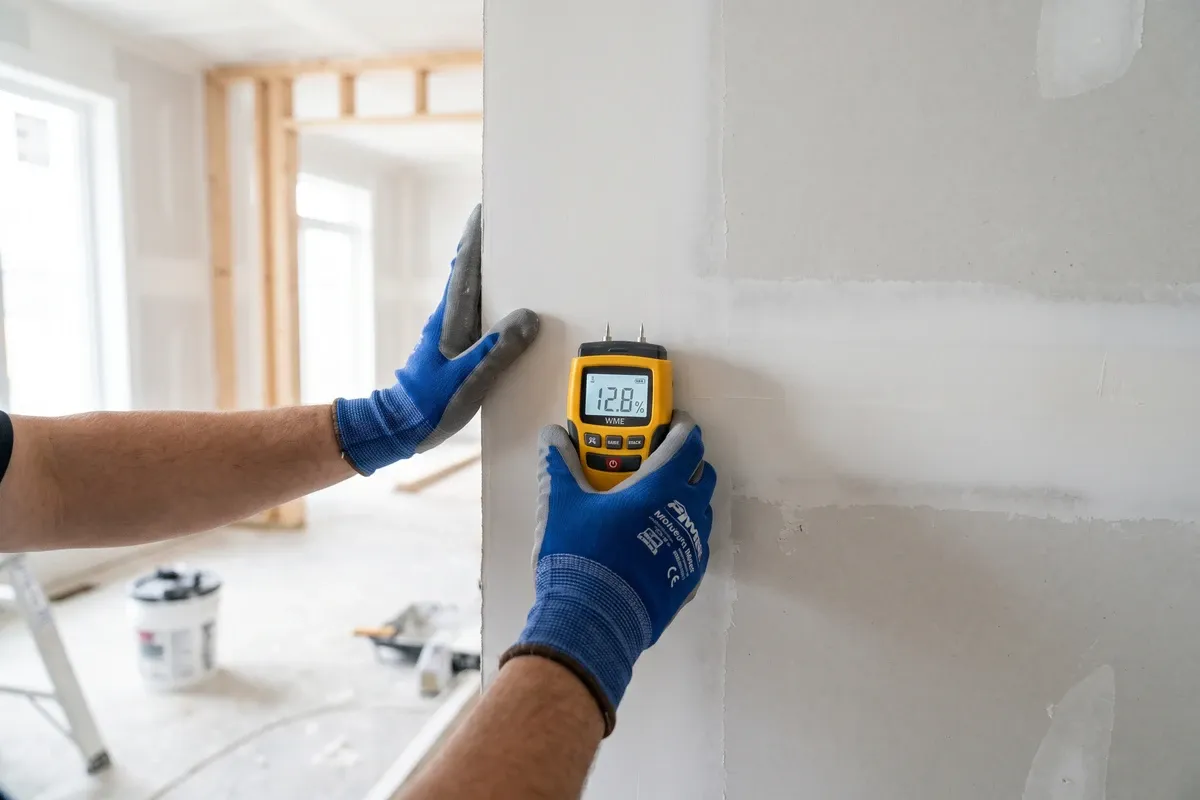
A professional mold inspection at the 11-month mark typically includes a moisture meter survey of walls and ceilings, a visual attic check (condensate system, exhaust duct terminations, sheathing condition), and air sampling if there is a musty smell. If the inspection finds a problem that traces to a construction defect, you have a written record of it before the warranty period closes.
New construction vs. older Phoenix homes: the contrast
New construction and older homes carry different mold risks from different sources.
An older Phoenix home, particularly one built before 1980, carries risks from aging plumbing (copper pinhole leaks, galvanized pipe corrosion), decades of monsoon cycles on aging roof flashing, and under-slab piping that may have degraded. The older Phoenix homes mold risk guide covers that profile in detail, including what federal housing data shows about leak rates by home age.
A new construction home has fresh plumbing and a new roof, so those particular failure modes are not present yet. The risks instead cluster in the construction process itself: what happened to the frame before it was sealed, how the HVAC was installed and sized, and whether the punch list was fully completed. Neither risk profile is inherently worse than the other. They are different, and catching the new-construction risks requires different timing: catching them while the builder warranty still applies.
For the broader context on why Phoenix’s climate creates mold conditions that most homeowners don’t expect, the mold in the desert guide covers the mechanism in detail: Phoenix’s dry outdoor air is not the protection it sounds like when the moisture sources are all interior.
What to do if you find mold in a new home
A musty smell in a home less than two years old, with no known leak history, is worth investigating rather than waiting to see if it goes away.
Start in the attic. Most new-construction Phoenix mold traces to the attic: the AC condensate system, the exhaust duct terminations, and the condition of the sheathing. A flashlight inspection of these three things takes under 30 minutes and will either clear the attic or identify the source.
Check the walls with a moisture meter. Elevated readings on a finished wall, particularly near windows, baseboards, or exterior corners, suggest moisture inside the cavity. A professional inspection includes this as a standard step.
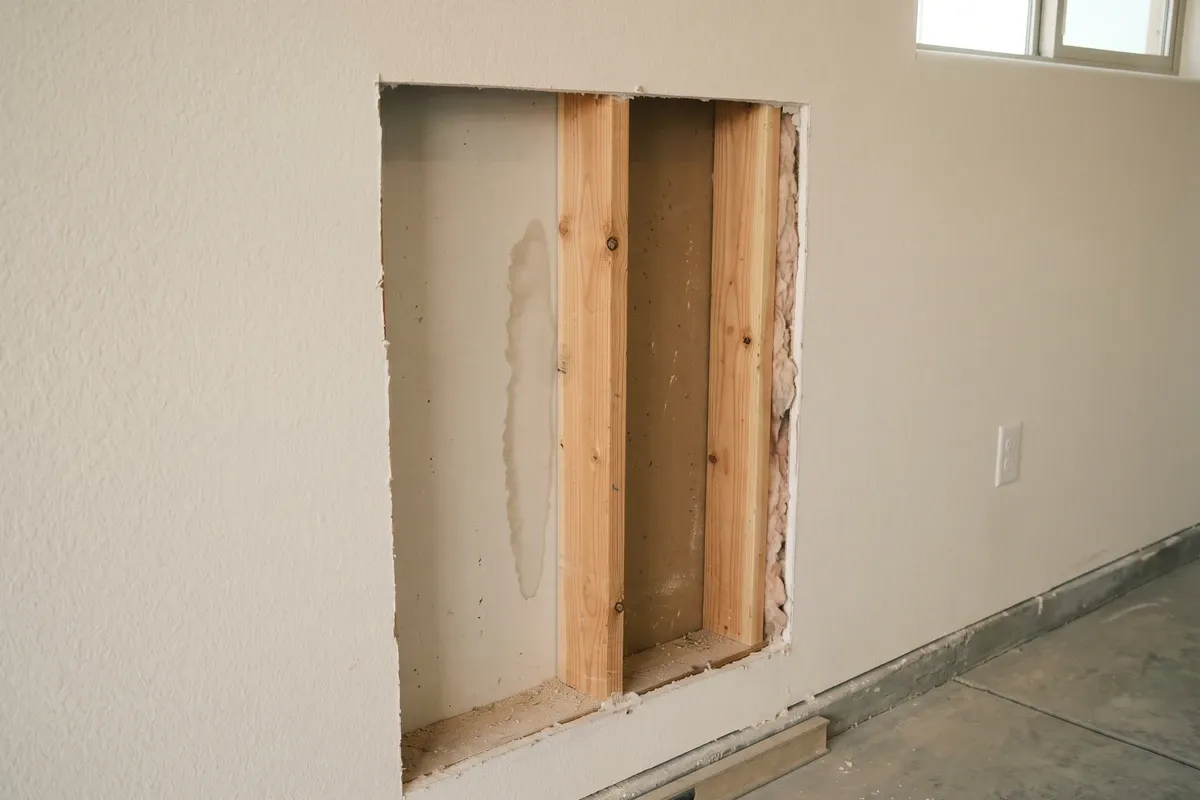
Document and notify the builder. If you find a defect during the warranty period, document it in writing (photos, written notice to the builder) before making any repair yourself. Repairing a defect without notifying the builder can complicate a warranty claim. Get the cause confirmed, the defect fixed, and the mold remediated in that order.
Get a free quote. If you have found mold in a new Phoenix home or noticed a musty smell you cannot locate, a mold inspection gives you a professional assessment of the source and scope, with documentation that supports a warranty conversation with your builder. There is no cost to get a quote.
Get a free inspection quote for your new build
We handle mold inspection and remediation across the Phoenix metro, including Gilbert, Chandler, Peoria, Surprise, and the newer master-planned communities in the West Valley and East Valley where the most new construction is happening. If something smells off in a home you just moved into, or if you are approaching your builder warranty deadline, fill out the form below for a free, no-commitment quote.